• English
  • 简体中文
  • 繁體中文
  • 한국어
  • ภาษาไทย
  • Bahasa Melayu
  • 日本語
pixivision
Make it interesting
Explore
  • Illustrations
  • Manga
  • Novels
Create
  • Tutorials
  • Behind the Art
  • Materials
Discover
  • Interviews
  • Columns
  • News
  • Top
  • Interviews
  • Interview with Miyuki Kitamuro, editor of "Melancholy of the Betrayed" - A decade in webtoon editing: what makes the ideal webtoon creator?
Interviews
2024.01.30

Interview with Miyuki Kitamuro, editor of "Melancholy of the Betrayed" - A decade in webtoon editing: what makes the ideal webtoon creator?

  • interview
  • ToonScroll
  • webtoons
  • manga production
  • creator interview
Interview with Miyuki Kitamuro, editor of "Melancholy of the Betrayed" - A decade in webtoon editing: what makes the ideal webtoon creator?

Interview by Nakanishi Kyu

Miyuki Kitamuro is an accomplished editor behind hit manga like Melancholy of the Betrayed and ReLIFE, which have also been adapted into other media. Involved in the launch of Comico's Japanese edition in 2013, she currently works at Mixer, where she plays a significant role in promoting Japanese webtoons.


In an industry often dominated by studio productions, Kitamuro has supported numerous individual authors. We spoke to her about the secrets to success for solo authors in the webtoon world and the industry's future prospects. Where should aspiring webtoon creators start?
Index
  •  What's the difference between studio and individual productions?
  •  What works adapt well to other media?
  •  You can't grow without playing to your strengths
  •  Looking to grow the authors' fanbase
  •  The Mixer Editing Room is looking for new works!
  •  pixiv brings you the latest webtoon news!
Miyuki Kitamuro
  • Miyuki Kitamuro
  • Manga editor at Mixer. Has been active since the dawn of webtoons in Japan, contributing to the launch of the Japanese version of Comico in 2013. Her notable works include ReLIFE, Melancholy of the Betrayed, Tsugihagi Mirai, and Ita no Ue de Kimi to Shinetara.

  • X (formerly Twitter)

What's the difference between studio and individual productions?

── You've been involved in the Japanese webtoon industry from its early days, including the launch of Comico's Japanese version in 2013. What type of creators do you think are best suited for webtoons?

Kitamuro: Let's see... It really depends on what kind of author someone wants to be, so I can't give you a one-size-fits-all answer.

In the case of webtoons, there are both studio and individual productions, and whether someone works as part of a team in a studio or as an individual author makes a big difference. One thing I can say for sure is that slower authors may not suited for the current webtoon format, which is typically based on weekly serialization. Speed is key.

── What qualities are required for studio versus individual production?
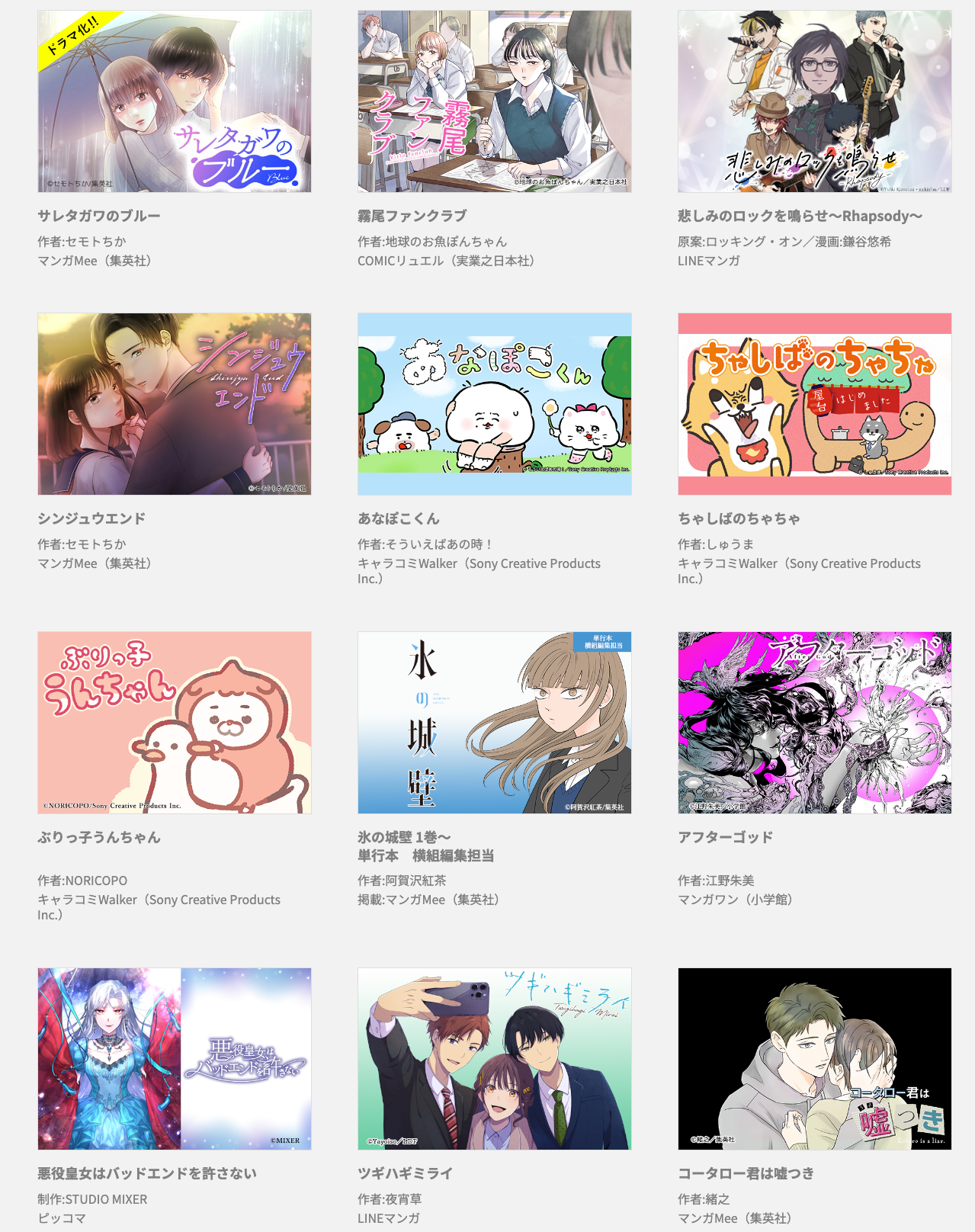
Kitamuro: Solo authors need to handle everything from developing the story to finishing it within a week, including managing assistants. This is true for both webtoons and traditional manga. However, studio production involves a division of labor. For instance, someone who is good at drawing storyboards but struggles with creating stories from scratch, or someone who might not be confident in line art but excels in coloring, can thrive in studio settings.
A selection of works handled by Mixer, including both individual and studio productions. (From the company's website)

── It sounds like the industry offers diverse opportunities for different types of creators.

Kitamuro: Exactly. The most important thing is knowing what you want to become.

── So, readers of this article should take heart and not think, "I'm this type of person, so webtoons aren't for me"?

Kitamuro: Absolutely not.

── Based on your experience, do you notice any common traits among creators who produce outstanding works??

Kitamuro: It seems to me that those who can take a step back and look at their work from a wider perspective are those who usually become popular. Webtoons are generally quite light-hearted, so authors who can adapt to trends tend to find a receptive audience. Of course, it depends on what kind of creator you aim to be, but usually, it's not just about sticking to a mindset of "I want to draw what I love, trends be damned!" Those driven by a strong desire to succeed and who understand what sells are often the ones who create works that stand out in the webtoon world.

── So, by "outstanding works" we're talking about those that reach a broad audience?

Kitamuro: Well, it's all about perspective... It might be a bit controversial to say, but if a work doesn't sell, nobody really wins. A work that reaches many people and brings in a lot of revenue makes both the author and the company happy. And as these works continue, they bring joy to a wide range of readers, too. In that sense, yes, I feel those are the works that stand out.

── Most webtoons are produced in a studio setting; what do you think are the benefits of creating one as an individual author?

Kitamuro: The biggest advantage of working solo is the ability to create a product that is completely your own, entirely of your vision and expresses exactly what you want it to. In a studio, you don't always know how faithfully your script will be translated into drawings or if the line art will be colored just as you imagined. With multiple people involved, there are many elements beyond your control, so studio production can be challenging for those who don't enjoy collaborative work. This is especially true for creators who have strong personal preferences.

── You often work with individual authors, don't you?

Kitamuro: Yes, quite often. When we first launched Comico, working with authors was really the only option, so you could say that was a big factor... But I just love working with creatorsーI find it fascinating to peek inside their minds. (laughs) Although our company handles studio projects too, I've made it a point to ensure at least half of our projects are with individual creators.

From Ita no Ue de Kimi to Shinetara Episode 1 (author: Wawo Mitsunaga), edited by Kitamuro.

©Wawo Mitsunaga/LDF

── Does working within a studio setting make it harder to peek inside people's minds?

Kitamuro: For our studio at Mixer, we make a point of keeping in close communication, so I do have a good understanding of what each team member is thinking. But even so, working on individual projects means you're more directly engaged with a single creator.

── It sounds like you really value this one-on-one interaction.

Kitamuro: Yes, definitely. My background is in hospitality and caregiving, and person-to-person communication has always been meaningful for meーI really appreciate the myriad things things that can be created through more personal interactions. That's why I can't give up working with individual authors.

What works adapt well to other media?

── I imagine you often get to advise young creators eager to dive into webtoons...

Kitamuro: That's right.

── What advice do you give when they ask you, "Where should I start begin?"

Kitamuro: I always start by asking what their goal is. Whether they want to express themselves through their work, aim for commercial success, or just make a living with their art. There's a wide variety of aspirations that exist among people interested in webtoons. A common one is those who simply love drawing and want an art career. Some even say, "I'm not really interested in creating stories, but I'm great at drawing storyboards and want to make a living doing just that."

── I see. So, your advice depends on their goals.

Kitamuro: Exactly. We're lucky to live in an era with so many opportunities. In the past, making a debut was tough if you couldn't do everything yourself.

── You've worked on several webtoons like ReLIFE and Melancholy of the Betrayed that have been adapted into anime and TV dramas. What works adapt well to other media?
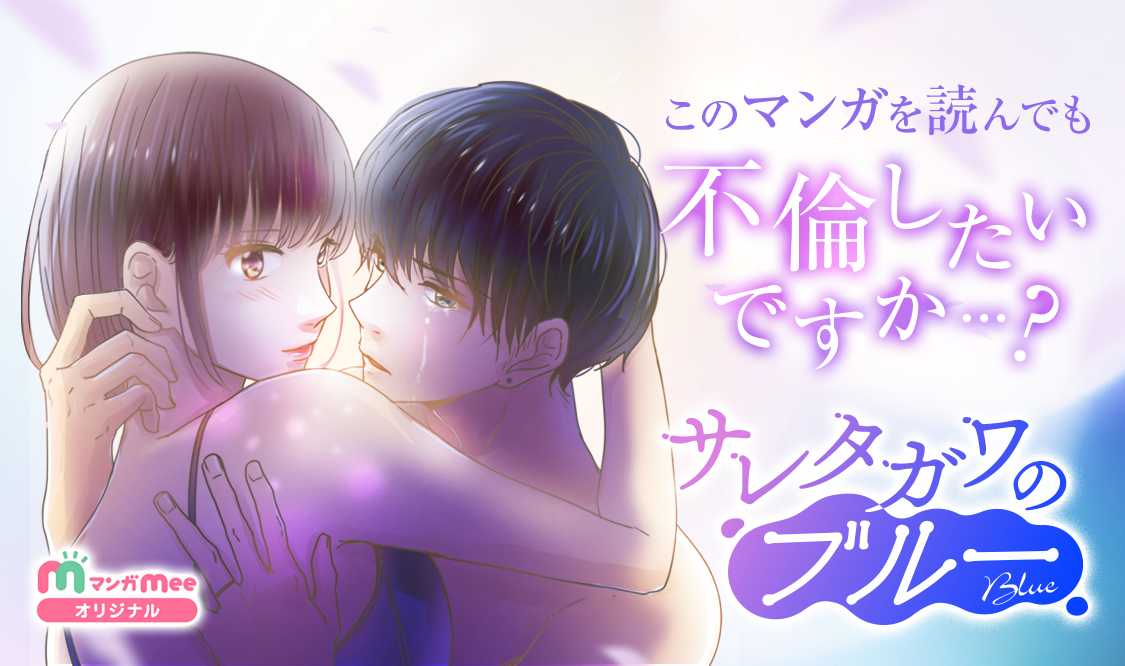
Melancholy of the Betrayed (author: Chika Semoto) has been adapted into a live-action drama.

©セモトちか/MIXER/集英社

Kitamuro: Those that align with current trends. For example, right now, works that incorporate aspects of SDGs or LGBTQ themes.

It's a bit different for anime, though. With dramas, whether a work is aimed at major networks, local stations, or online streaming services can significantly change how the story is crafted.

── So, do you consider a potential media adaptation from the very beginning of a project?

Kitamuro: It depends on the author, but yes, we often do. And I often work with creators who focus on creating drama-friendly projects. For instance, Chika Semoto's Melancholy of the Betrayed, which I edited, was crafted with that in mindーeven picturing actors who could play the characters.

Noburu Tagawa and his wife Aiko, the main characters from Melancholy of the Betrayed.

©セモトちか/MIXER/集英社

── When the webtoon was actually adapted into a drama, did the casting match your initial vision?

Kitamuro: Interestingly, the character of Noburu Tagawa was based on a mix of three different actors, and one of them, Atsuhiro Inukai, was cast for Noburu's role. That happened without any input from our side.

── That's so interesting! So it's more about tailoring the work itself to fit the drama format rather than trying to coordinate with production houses and ad agencies from the get-go.

Kitamuro: That's right. In studio productions, it's a bit different, but with individual authors, I'm usually not the one driving the project's planning. It's more about taking the ideas that authors bring to the table, sorting them out, and nurturing the promising ones. That's almost always the case.

── In other words, you're saying it's better to let authors create what they're passionate about, rather than dictating what they should draw?

Kitamuro: Absolutely. Although it all comes down to the theme... For example, a romance between a high school girl and a teacher might have worked back in the day, but now turning that into a drama would be tough with all the new regulations. So I'll ask the author, "Considering the current climate, this probably won't make it as a drama. Do you still want to go ahead with it?" (laughs)

── And I guess different authors have different priorities, right? Some might want to stick to their guns and draw what they want, regardless of their chances for a drama adaptation, while others might tweak their ideas to get a drama deal.

Kitamuro: Yes, that's why it's essential for authors to have a clear understanding of their goals.

You can't grow without playing to your strengths

── Given your philosophy of encouraging authors to draw what they want, how do you help them reach their full potential?

Kitamuro: We talk a lot. It's all about listening. I know I keep saying this, (laughs) but it really boils down to understanding what type of author they want to be. Some authors want detailed feedback on their storyboards and art, while others might get discouraged.

── So, there's no one way to handle every author.

Kitamuro: That's right. For every ten authors, there are ten different ways to communicate. The key to unlocking their potential, I'd say, is for editors to be adaptable and flexible in their approach.

── There's no magic formula then.

Kitamuro: Some editors might have their special ways, but for me, it's about talking and listening, plain and simple.

── What part of producing webtoons do you find the most rewarding?

Kitamuro: Honestly, I love everything about it. I'm like a webtoon production nerd (laughs), so I enjoy every part... but if I had to choose, it's probably the planning stage. With individual authors, it's like doing a ton of practice runs. I ask for ten quick plot ideas, we play around with them, and if they don't click, we go for ten more.

But it really depends on the artist, too. Some are more about pouring their heart into a single big idea.

── It's like a workout for coming up with ideas, right? Focusing on quantity first, regardless of quality.

Kitamuro: That's the idea. We sift through these ten ideas, sorting them into four categories: "Want to and can draw," "Want to but can't draw," "Don't want to but can draw," and "Don't want to and can't draw."

For example, "How about a ninja story?" "Want to but can't draw."

── You're really digging deep to find out what the author truly wants to do.

Kitamuro: Ultimately, you can't grow without playing to your strengths. And you can't play to your strengths until you know what they are. It's a bit like the Johari Window (note: a self-analysis method that distinguishes between "the self as seen by oneself" and "the self as seen by others"), but sometimes you find strengths or passions you didn't even know you had. That's why getting those ideas out there in the first place is so important. I really love this part of the process.

── And what's the toughest part of the job?

Kitamuro: The toughest part is definitely when a work doesn’t sell. (laughs) It’s a downer for everyone... The authors get disheartened, it's a problem for the platform providers, and it really gets me down, too. I personally think none of my works is boring, but it still hurts when they don't sell.

── In this field, even interesting works don’t always sell...

Kitamuro: Some authors get so disheartened by it that they give up writing altogether, so I always do my best to make sure they know it wasn’t their work's fault. I tell them things like, "Remember, even a great hitter like Ichiro only hits three out of ten!" (laughs) and encourage them to stay strong and keep stepping up to bat. I always tell the authors, "If it doesn't sell, it's the editor's fault, so feel free to blame it all on me."

Looking to grow the authors' fanbase

── Let's talk about the webtoon industry as a whole. How do you see the current situation?

Kitamuro: Not long ago, there was a surge of big companies entering the webtoon scene. It was like everyone was eager to claim their piece of the pie, bringing in a wave of young, enthusiastic people into the field. I was really glad to see that energy.

── It's often the youth who bring that kind of momentum to a growing industry, isn't it?

Kitamuro: Yes, and that’s exactly what happened when we launched Comico. We started without a clear plan for webtoons or any manga editing experience. Then we heard about these vertical color comics that were popular in South Korea and thought, "Well, we're clueless about creating traditional manga and vertical color comics alike... Might as well give the newer format a shot!" That kind of "I don’t quite get it, but let’s give it a shot" attitude and unfounded positivity are crucial for driving change.

── Aside from its size, what do you think has changed the most in the market since the early days of Comico?

Kitamuro: Back then, I think authors had larger fanbases. Nowadays, people might love certain works without really caring who the authors are. I'm like that too. (laughs) I read a lot of webtoons, but I rarely keep track of the authors’ names.

── In a way, the fact that readers aren't required to be as "maniacal" about following specific authors has lowered the entry barrier a bit, hasn't it?

Kitamuro: That's a valid point, but personally, I'm a big fan of the authors themselves, so I'm really keen on growing their fanbase. I want to see more fans of Yayoiso, not just for ReLIFE, and more fans of Chika Semoto, not just for Melancholy of the Betrayed. For that, we might need to move beyond seeing webtoons just as snack content.

── That's quite a challenge, considering the accessibility of webtoons is one of its main appeals.

Kitamuro: Exactly... I'm not saying snack content is bad or something I want to dismiss. The thing is, webtoons in Japan have only been around for about ten years, so there's a lack of history. You can talk about your favorite Mitsuru Adachi manga, but conversations about your favorite Yayoiso work aren’t quite common yet. Yayoiso has been in the Japanese webtoon world for a decade and is one of its pioneers, but even so, they've only published three works. There’s simply not enough volume yet.

I think it'll take another ten years for conversations like "My favorite work by Yayoiso is XYZ" to start to take place. 
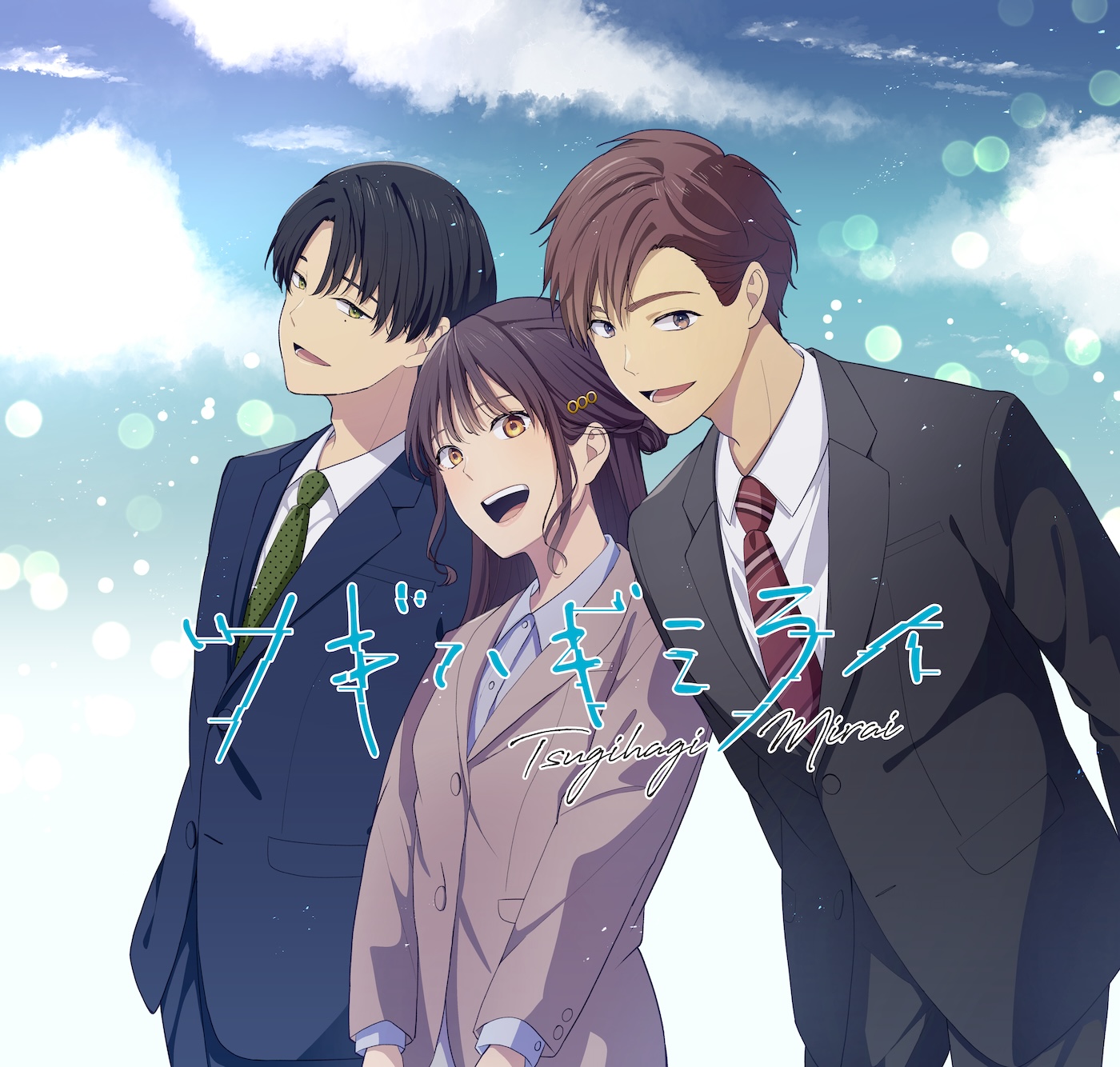
Yayoiso, author of ReLIFE, is currently serializing Tsugihagi Mirai.

©Yayoiso/LDF

── I see. Also, the current webtoon market is dominated by Korean works and studio productions, which might make it hard for Japanese readers to connect with individual authors.

Kitamuro: That's true. In Korea, studios even have their own fanbases, so I think it's entirely possible that Japan could see a similar trend given enough time. Also, I hope to see a broader range of genres being explored and gaining readership. Right now, there’s a pretty glaring bias towards certain genres.

── Yeah, it does seem like the market revolves around just about three genres.

Kitamuro: Exactly. (laughs) That's why I've always been trying to counter that trend in the works I help produce. I’ve noticed other companies beginning to partner with individual artists more often, which should lead to more variety. I'm really looking forward to seeing how things evolve!

The Mixer Editing Room is looking for new works!
At Mixer's manga editing department, known as the Mixer Editing Room, individual editors manage a wide range of projects across various publishers and media.


They are involved in numerous genres, from traditional page-based manga to the increasingly popular webtoons, catering to audiences ranging from children and teens to young adults and women.


Unrestricted by specific styles, genres, or mediums, their mission is to scout great works by talented authors and find the right platform for them to reach their audience.


The Mixer Editing Room is a small, dedicated editing team committed to this approach.
>>Submit your work to the Mixer Editing Room<<

pixiv brings you the latest webtoon news!
If you're interested in drawing webtoons or want to learn more about them, check out pixiv's Tateyomi School! 
We provide easy-to-follow lecture videos, storyboard templates, and more to help you get started with webtoon creation. It's all free – take advantage and check it out!


(Available in Japanese only.)

>>pixiv's Tateyomi School<<

Newest articles tagged ToonScroll

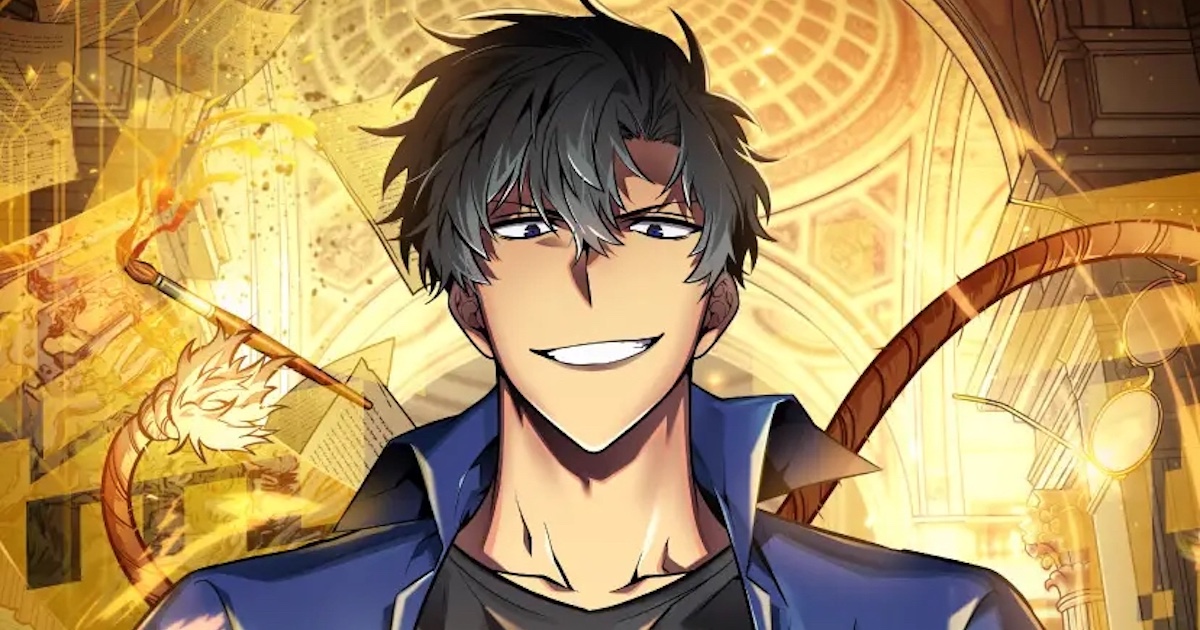
  • “Webtoons are often misunderstood in Japan.” - An interview with the President of Red Seven about letting go of conventional ideas and creating manga that breaks the mold.

    “Webtoons are often misunderstood in Japan.” - An interview with the President of Red Seven about letting go of conventional ideas and creating manga that breaks the mold.

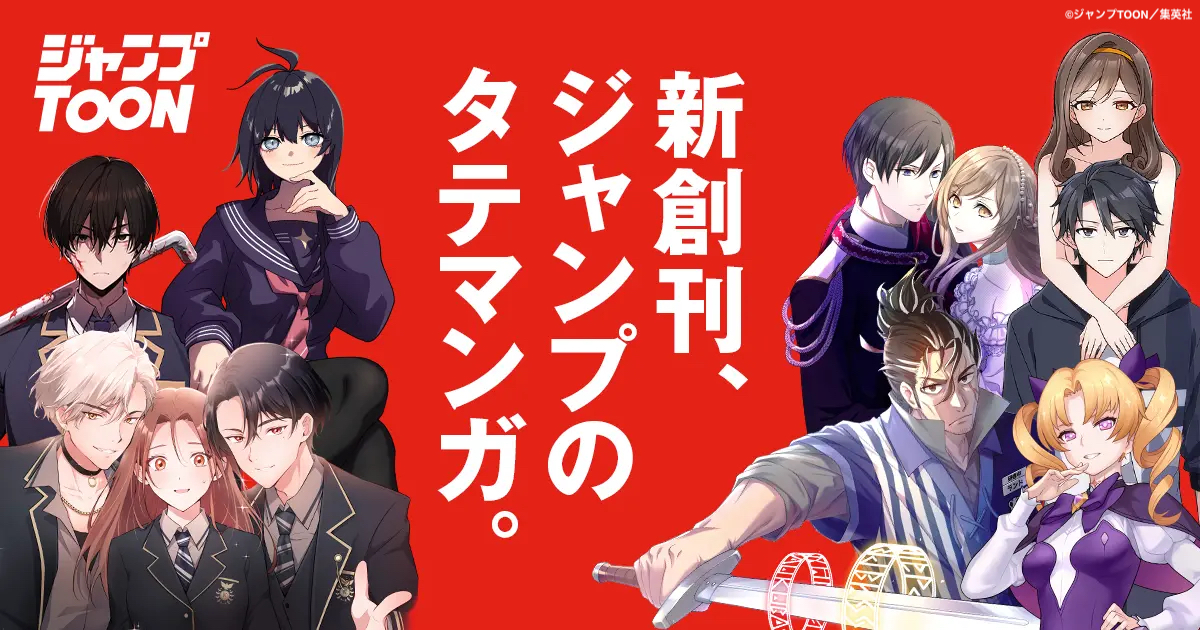
  • Jump TOON's editor-in-chief on Shueisha's webtoon strategy - "Trusting in what creators and editors find 'interesting' over market trends."

    Jump TOON's editor-in-chief on Shueisha's webtoon strategy - "Trusting in what creators and editors find 'interesting' over market trends."

  • Webtoon label Pikalo's vision for creating memorable works - Bringing the passion of solo creators into team-based vertical webtoon production.

    Webtoon label Pikalo's vision for creating memorable works - Bringing the passion of solo creators into team-based vertical webtoon production.

  • An interview with the KADOKAWA TATESC COMICS editor-in-chief about what people expect from webtoons - While webtoons are great for global expansion, it’s still too early to compare them to traditional manga.

    An interview with the KADOKAWA TATESC COMICS editor-in-chief about what people expect from webtoons - While webtoons are great for global expansion, it’s still too early to compare them to traditional manga.

If you liked ToonScroll, you will also love...

  • What Shunji Eto, creator of Savior of the Divine Blood, considered while trying his hand at Webtoons.  - Thinking that “nothing is better than Japanese manga” will set you up for failure.

    What Shunji Eto, creator of Savior of the Divine Blood, considered while trying his hand at Webtoons. - Thinking that “nothing is better than Japanese manga” will set you up for failure.

  • Interview with popular webtoon storyboard artist and mentor Hashimoto Lion - Looking at scripts through a camera lens.

    Interview with popular webtoon storyboard artist and mentor Hashimoto Lion - Looking at scripts through a camera lens.

  • What's the difference between webtoons and traditional manga? It's not just how you draw them! Makuya Yamamoto shares the behind the scenes of production and compensation for both

    What's the difference between webtoons and traditional manga? It's not just how you draw them! Makuya Yamamoto shares the behind the scenes of production and compensation for both

Share this article
  • Share
  • Post
  • Share
  • Post

Tags:

  • interview
  • ToonScroll
  • webtoons
  • manga production
  • creator interview
Follow pixivision on Facebook!
Find us on X too!
Follow @pixivision
Stay updated with pixivision's daily features!

Newest articles tagged Interviews

  • Interview with Mimimi, the Grand Prize winner of the pixiv High Schoolers Illustration Contest 2025 - “Illustration is just a part of my life.”

    Interview with Mimimi, the Grand Prize winner of the pixiv High Schoolers Illustration Contest 2025 - “Illustration is just a part of my life.”

  • Behind the scenes with illustrator NAKDI! How does she bring characters to life and why does she like sharing works-in-progress?

    Behind the scenes with illustrator NAKDI! How does she bring characters to life and why does she like sharing works-in-progress?

  • Behind the scenes with illustrator ran9u! How does she design characters and add excitement to her drawings?

    Behind the scenes with illustrator ran9u! How does she design characters and add excitement to her drawings?

  • Behind the scenes with illustrator Myabit! How does she use light and character design to captivate her viewers?

    Behind the scenes with illustrator Myabit! How does she use light and character design to captivate her viewers?

View more▶︎

Follow pixivision's
official accounts!

p-chanMonthly Ranking
  • Illustrations

    Fan Art of Kisaki (Swimsuit) from B...

  • Illustrations

    Drawings of Rings - Endless Devotio...

  • Illustrations

    Drawings of Red Eyes - Burning Inte...

  • Illustrations

    Drawings of Black Tights and Stocki...

  • Illustrations

    Drawings in Purple - Luscious Lilac

p-chanFeatured
  • Illustrations

    Fan Art of the Characters from Dand...

  • Illustrations

    Drawings Featuring Mock Necks and T...

  • Illustrations

    Drawings Featuring Goggles - Safety...

  • Illustrations

    Drawings of Dream Crossovers - Drea...

  • Illustrations

    Drawings of Feet & Legs in Water - ...

Follow pixivision's
official accounts!

  • Top
  • About pixivision
  • Suggest a theme
  • English
  • 简体中文
  • 繁體中文
  • 한국어
  • ภาษาไทย
  • Bahasa Melayu
  • 日本語
  • pixivision
  • About pixiv Inc.
  • Terms of Use
  • Contact Us
  • Advertising
  • Privacy Policy
©pixiv