• English
  • 简体中文
  • 繁體中文
  • 한국어
  • ภาษาไทย
  • Bahasa Melayu
  • 日本語
pixivision
Make it interesting
Explore
  • Illustrations
  • Manga
  • Novels
Create
  • Tutorials
  • Behind the Art
  • Materials
Discover
  • Interviews
  • Columns
  • News
  • Top
  • Interviews
  • Jump TOON's editor-in-chief on Shueisha's webtoon strategy - "Trusting in what creators and editors find 'interesting' over market trends."
Interviews
2024.10.22

Jump TOON's editor-in-chief on Shueisha's webtoon strategy - "Trusting in what creators and editors find 'interesting' over market trends."

  • interview
  • ToonScroll
  • webtoons
  • manga production
  • creator interview

Interview by Kyu Nakanishi

Launched in late May this year, Jump TOON marks Shueisha's full-fledged entry into vertical comics, or tate-manga, as they're called on their platform. We spoke with Takanori Asada, the editor-in-chief of Jump TOON, to learn more about Shueisha's challenges in this new space and the kind of talent they're seeking.
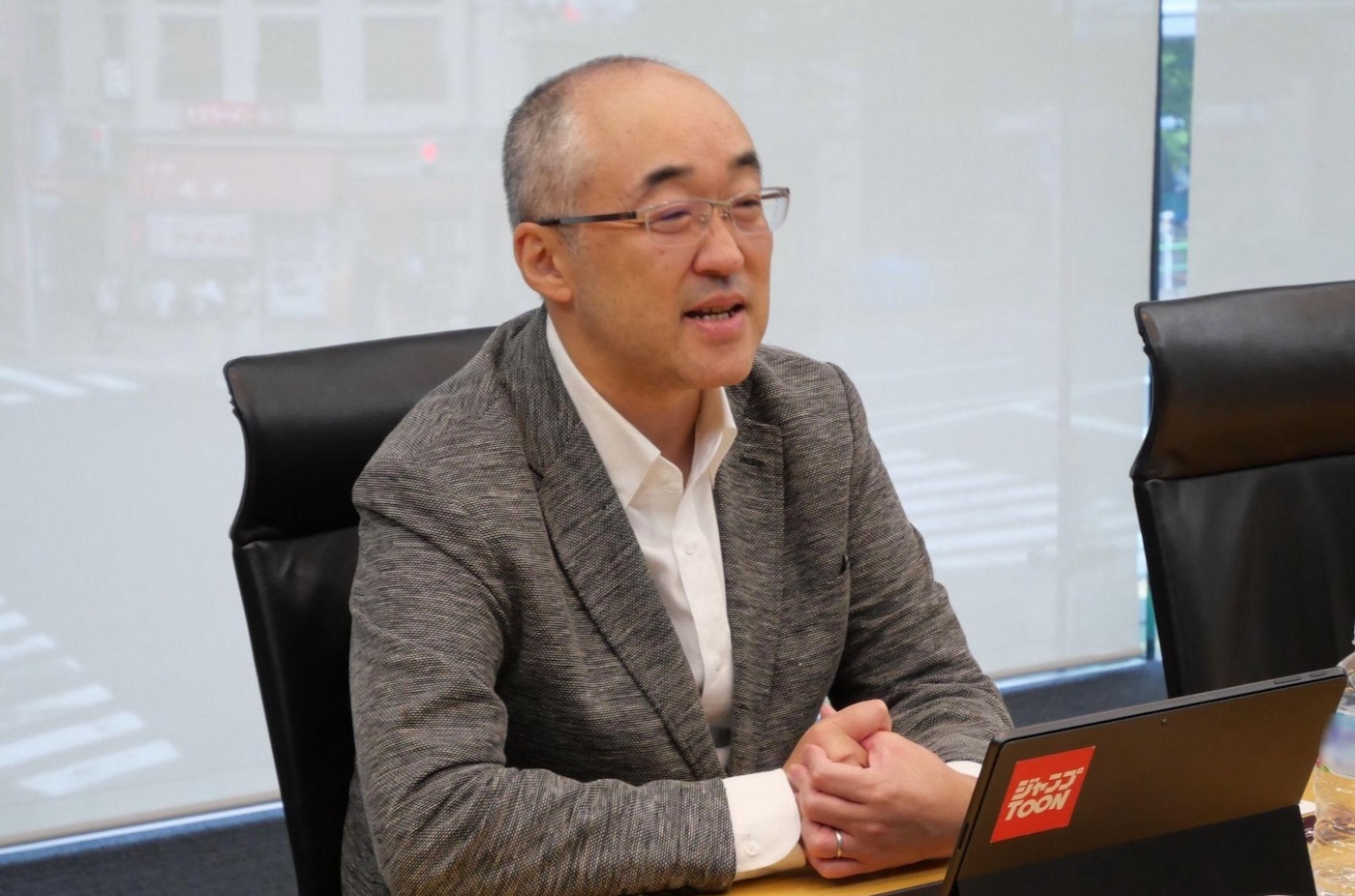
Jump TOON aims to go beyond simply catering to market trends and popular genres, striving to create a diverse ecosystem that fosters a wide range of voices instead.
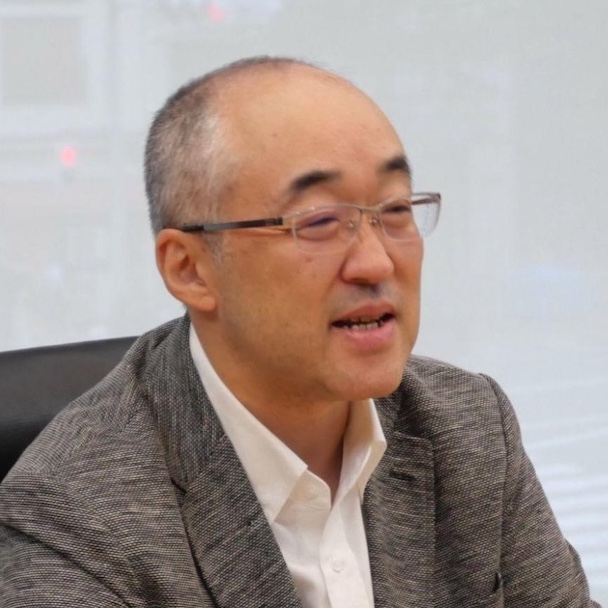
Takanori Asada
  • Takanori Asada
  • Editor-in-chief of the Jump TOON Editorial Department at Shueisha. Born in 1973, he has served as a manga editor for the Weekly Shonen Jump and Jump SQ., where he worked on titles such as ONE PIECE, BLEACH, and Blood Blockade Battlefront. He is also the Deputy Director of Shueisha's 3rd Editorial Department.
Index
  •  Jump TOON is a magazine, not a store
  •  Expanding reader choices
  •  The number of aspiring tate-manga creators is growing
  •  The challenge of subscription models favoring big hits over everything else
  •  Chasing the "right answer" is like chasing your tail
  •  pixiv Inc. brings you the latest vertical manga news!

Jump TOON is a magazine, not a store

── Jump TOON launched on May 29th, 2024, as a platform specifically for full-color vertical comics. What led Shueisha to enter this space now?

Asada: It began about three years ago when some younger staff proposed the idea of entering the tate-manga business. From there, we explored the best way for a publisher like us to enter this market. Rather than simply responding to existing market trends, we wanted to build on our legacy of one-on-one collaboration between creators and editors, where we work directly with creators to experiment and create something we think is compelling. With the right structure finally in place, we were able to launch the platform.

── Why did you decide to create a standalone platform instead of using existing ones?

Asada: Publishing our works on existing storefronts was certainly an option, but it would have limited the data we could gather. When we rely on external platforms, it's hard to see the full picture of how content is displayed in the app or what promotional strategies are driving engagement. To gain that insight, we realized we needed our own app.

── That makes sense. For example, whether a work appears in a prime ad slot or grows through organic traffic requires completely different analysis approaches. Looking only at view counts doesn't give you the whole story, so you wanted the raw data.
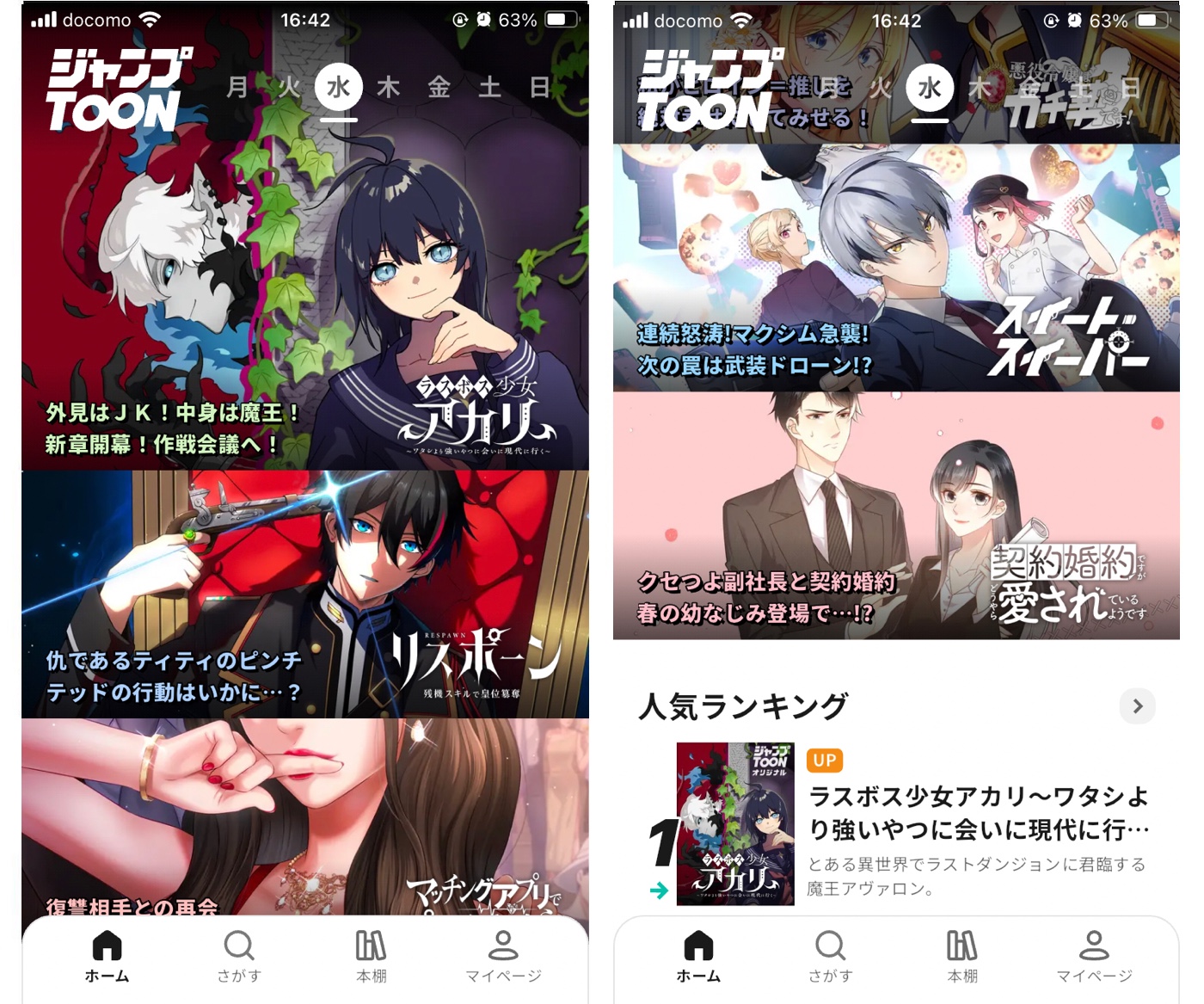
Asada: Exactly. Plus, the app is designed differently than other platforms. Jump TOON is more like a magazine than a storeーit's designed to get readers engaged with new releases right away. Storefronts typically prioritize maximizing sales by spotlighting top sellers on their home pages. It's not that one approach is better than the other—they just serve different purposes.
The top page of the Jump TOON app (screenshot taken in September 2024). On the left is the initial view upon opening the app, and on the right is the screen after scrolling down slightly. The latest updates for that day's series appear at the top, and as you scroll down, you'll find the popularity rankings and original works from Jump TOON. Unlike other manga apps, where the initial view often features rankings and recommended titles, Jump TOON prioritizes recently updated series.

Featured titles: Akari the Final Boss Girl ~I'm Going to the Modern Age to Find Someone Stronger Than Me~ © Kishima Kiraku, Sakegamine Aru/Shueisha; Respawn: Usurping the Imperial Throne with my Extra Lives © Straight Edge/Shueisha; Matching App de Papa Katsu Shitara © Takashi Kimura/Shueisha; Akuyaku Reijou wa Gachizei Desu! © Shimei Karasuma, ZUZU, Contents Lab. Blue TOKYO/Shueisha; Sweet Sweeper © Takano Rouryu, Whomor/Shueisha; Keiyaku Konyaku Desu ga Douyara Aisareteiru you Desu © Izumi Sawano, NCOMIC / Shueisha

── What is Jump TOON's mission in the tate-manga industry?

Asada: Simply put, we want to inject more variety into the world of webtoons. Right now, tate-manga is heavily focused on certain genres that are guaranteed to sell, making it hard to imagine a vibrant future for the medium. In traditional manga, we've worked with creators across many genres—comedy, action, horror, sometimes even genres our readers would rather we didn't (laughs)—and we've offered that variety to our audience. We want the same diversity for webtoons, and we hope Jump TOON can be the starting point for that.
── You're right, there's a noticeable genre bias in the current tate-manga industry.

Asada: It's natural for the market to focus on high-performing genres, but I don't think anyone sees the current situation as ideal. We don't have a definitive answer for the "right approach" yet, so we're moving forward with a lot of trial and error.

── How committed is Shueisha to webtoons as a whole?

Asada: We're fully committed. Naming the platform "Jump TOON" reflects that commitment, showing that Shueisha is serious about making a mark. We've brought in people from various departments, so you could say there's a real "all-hands-on-deck" approach across the company. (laughs)

Expanding reader choices

── After reading some of the Jump TOON original series, I noticed there's a surprising number of "webtoon-like" themes, such as isekai reincarnation, villainess stories, and dramatic revenge arcs that start with intense bullying...

Asada: That actually reflects our team's enthusiasm for experimenting. We have staff who genuinely believe that certain types of tate-manga are exciting, and they worked with creators to bring that vision to life. Although these might look like market-driven choices, they're actually the result of a product-out approach—we're making what we genuinely want to make. In fact, we pretty much only know how to make things through a product-out approach... maybe it's all we're capable of. (laughs)

── That's a very "Jump-like" approach.

Asada: Exactly. Otherwise, there wouldn't be much point in us joining this space.

── Are there any genres you're particularly keen to explore with Jump TOON?

Asada: Among the new series we're planning to release, there are some genres you don't usually see in tate-manga. I'll leave the specifics as a surprise, but we're exploring all kinds of possibilities.

── You're also adapting existing series into a vertical format, like the Haikyu!! Vertical Color Edition series. Do you plan to expand this lineup?

Asada: Yes, we plan to add more titles. Our goal is to give readers more options. Just as we've always had fans who prefer single-volume editions or magazine serials, or print or digital, there are those who prefer reading horizontally and those who want to read vertically.

── More access points naturally bring in more readers, which is a positive thing for the works themselves.

Asada: Absolutely. Since we've been entrusted with creators' valuable stories and characters, our mission is to create as many points of connection with readers as possible.

The number of aspiring tate-manga creators is growing

── Last year's first Jump TOON Award, dedicated to webtoons, featured a wide array of genres and styles among the winning entries, showcasing the diversity that your platform aims to promote.
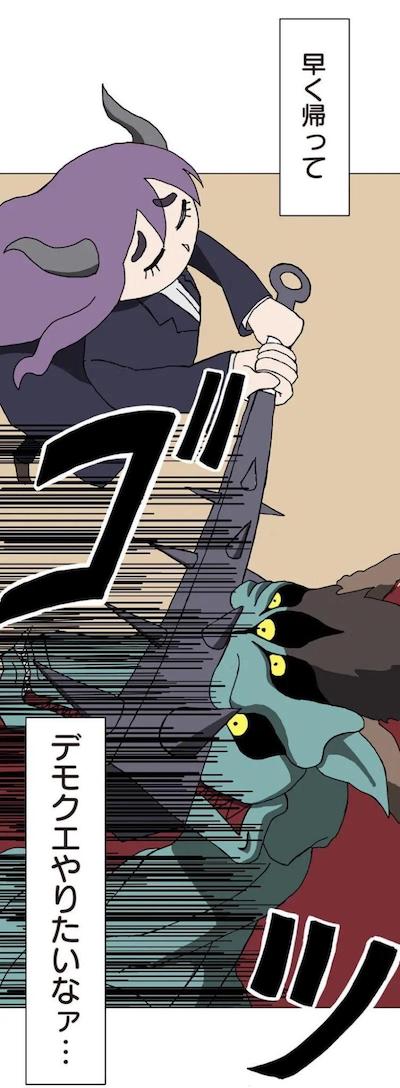
Asada: I was really happy with the results. Since it was our first attempt, I wasn't sure what kinds of submissions we'd get, so there was some anxiety. But in the end, we received so many bold and creative works, which was exciting and a huge relief. We had entries from Japan and overseas—from South Korea, China, Australia, and beyond—each with unique styles. It made me realize there's definitely a growing pool of creators interested in tate-manga.
© Kohei Kato/Shueisha
The first prize-winning work, Million Moja, stands out for its humorous depictions of the underworld and its dynamic action scenes.

── So the diversity in the award-winning works wasn't just curated—the entries themselves were naturally varied.

Asada: That's right. Of course, part of our selection process did involve screening for a wide variety of works. Another reason we're seeing such variety is that tate-manga doesn't demand the same specialized paneling skills as traditional manga. As long as you can structure a story, tate-manga paneling can be relatively accessible. I've heard novelists say, "I can't manage horizontal manga paneling, but maybe I could handle it in a vertical format."

── So, more creators who didn't originally set out to be manga artists are getting involved, and as a result, we're seeing fresh, unconventional stories.

Asada: Exactly. Some projects have separate writers and artists; others have a writer handling the story while a studio takes over the art. In some cases, a creator might do the storyboarding, and then a studio handles the rest.

── Until recently, people associated webtoons with studio productions, but now there's a shift toward more solo creators, especially in Japan.
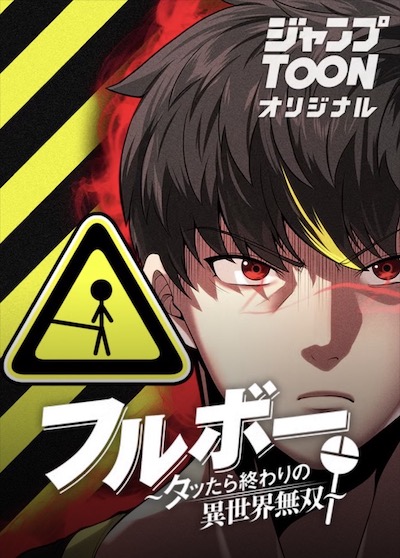

Asada: There's also a strong perception that solo creators need to complete everything themselves—from line art to full-color pages—on a weekly basis, which can be intimidating. Part of our mission is to change that perception. For example, Furubo - Tattara Owari no Isekai Musou by Tomonobu Tanizono has the creator handling line art, while a studio handles everything from coloring onward. What’s more, this work is managed by TOON FACTORY, a subsidiary of our company.

© Tomonobu Tanizono/Shueisha

── That's Shueisha's first manga production company, established last year, right?

Asada: Yes, and it's allowed us to create a high-quality production line that is more cost-effective than outsourcing. We can adjust how much of the work is handled by the creator versus the studio. Ultimately, we want Jump TOON to be a place where creators feel comfortable and supported.

── By the way, I noticed some of the Jump TOON Award-winning works were in black and white.
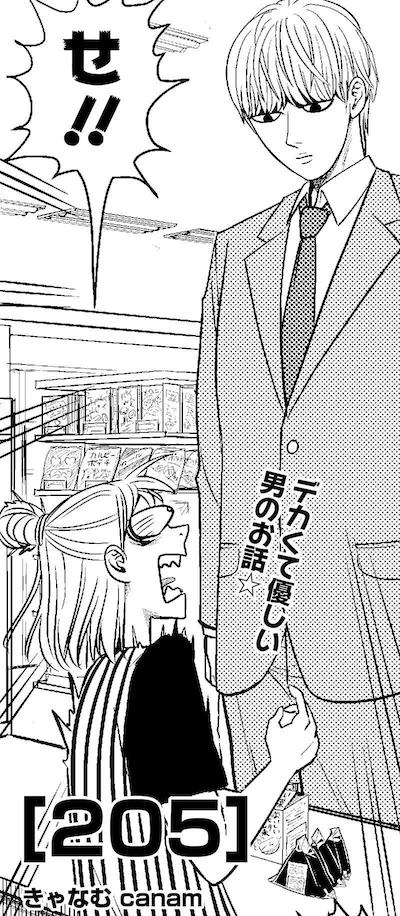
Asada: That's right. Personally, I think black and white works great in tate-manga, so creators who post their entries don't need to stick to color.

© Canam/Shueisha

© Sorihash1/Shueisha
The runner-up winners displayed a variety of styles, such as 205, which uses heavy shading, and Hate e, with its monochrome-esque sepia tones.

── Could black and white works appear in your regular lineup as well?

Asada: That's the plan.

The challenge of subscription models favoring big hits over everything else

── If a young person here wanted to start making manga, would you recommend they work in horizontal or vertical formats?

Asada: That's entirely up to them. Horizontal and vertical formats each have unique ways to tell a story, so the choice really depends on what they want to express.

── So one format is not better than the other.

Asada: I don't think so. People tend to frame it as a "horizontal vs. vertical" debate in market terms, but I see it differently. Sometimes I question market-driven analyses that claim, "This is the future of manga based on these numbers," or "The vertical market is heading this way while the horizontal market is going that way." There's a lot of bias in these types of quantitative, commercial assessments.

── Like, "You're only seeing what you want to see"?

Asada: Exactly. Those analyses often only compare current hits in each format, but it doesn't mean one format is inherently better. Both are expanding their markets and when a hit title emerges, it boosts numbers across the board. The fact is, the digital manga market continues to grow overall, regardless of format.

── So creators should choose the format that best suits their vision, rather than worrying about market trends.
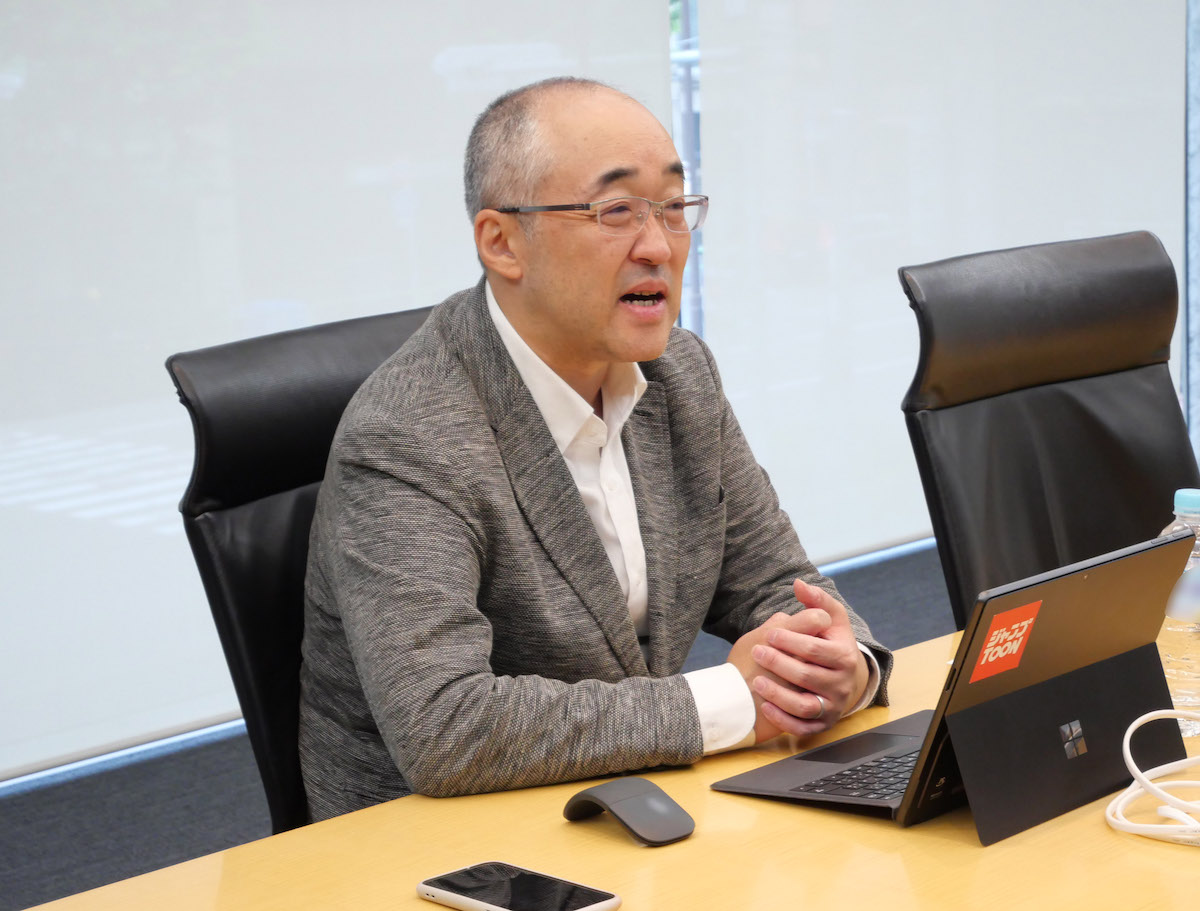
Asada: Precisely. The manga industry thrives when creators, publishers, bookstores, and readers all play their roles effectively. We often talk about creating a healthy "ecosystem" where everything is in balance. Traditional horizontal manga has developed its own ecosystem over time, and our ideal would be to create something similar for vertical manga.

During the interview, Asada's passion for manga showed when he animatedly recreated a scene from I Love Eating a Lot! Mochizuki-san by Kamome Maruyono (Hakusensha).

── In other words, in your eyes, you see the ecosystem for the current tate-manga ecosystem as still being underdeveloped?
Asada: It's part of a bigger industry issue. Since the pandemic, global video streaming has skyrocketed, and Japanese anime is now popular worldwide, enjoyed even by people who aren't necessarily familiar with the otaku culture behind it. This broader appeal for Japanese characters and stories has significantly boosted print manga sales overseas, but digital manga hasn't seen the same surgeーone reason being that there isn't yet a global mindset for paying fair value for digital manga by the volume or chapter.

── Has piracy played a role in this?

Asada: That's definitely part of it, but a larger factor is the dominance of subscription models in places like the U.S.

── I see.

Asada: The problem with subscription models is that they tend to polarize the market: you have the "massively successful works" and "barely-seen works" with a very thin middle ground. For creators, this environment is tough, as it implies that only major hits can succeed, which may discourage aspiring manga artists. A healthy industry needs a strong middle ground.

── This ties back to what we talked about at the beginning—a cycle where only high-performing genres get produced, creating an environment where it becomes hard to branch out.

Asada: That's unfortunate for both creators and readers. One of Shueisha's main goals is to foster a healthier ecosystem. On the bright side, it shows there's still a lot of room for growth. The manga audience will continue to expand, and I believe there are many ways to create a fair system that supports diverse work across various forms.

Chasing the "right answer" is like chasing your tail

── There seems to be a lack of clarity on how someone can become a tate-manga creator. With traditional manga, people generally know the path—submit your work to an editorial department or enter a newcomer's award, and if things go well, you get an editor. 

Asada: That's true, and we recognize the need to put more information out there. We're planning to create more opportunities to explain this path. But at its core, it's not so different from a traditional editorial department. You can aim to get your work serialized by submitting work or entering awards, or we might also reach out to creators who post on platforms like Jump TOON NEXT!, so there are multiple entry points.

Jump TOON no Zatsudan! is already streaming on YouTube and via a podcast.

── The main difference with traditional manga, though, is that tate-manga can be a team effort. For those who don't want to handle everything themselves, putting together a full submission can be difficult.

Asada: We have people submitting just scripts or storyboards. Any format is fine—if they bring us their work, we'll work with them based on what they want to focus on.

──I see. And if someone, for example, just wants to do coloring, they could reach out to a production company like Shueisha's TOON FACTORY.

Asada: Exactly.

── So, what advice would you give to someone wondering what steps they should take to become a Jump TOON creator?

Asada: I’d like creators to have some kind of plan in mind when creating. It’s important to have a clear intention in what you want to achieve or convey to the readers when making a work, whether it’s “Let’s make every moment exciting!” “Let's scare them using this concept!” or “Let’s make all the characters as cute as possible!” This applies not just to Jump TOON but to anyone aiming to go pro.

── So, staying aware that you're communicating with the reader.

Asada: Another thing I'd say is, don't chase the "right answer." In today's world, with so many stats and so many opinions available, it's easy to just end up chasing your tail.

── It's easy to start thinking that whatever gets the most likes is the "right" thing.

Asada: Right, and while that's understandable, if you want to make a career as a creator, it's ultimately more fulfilling to focus on what you love, regardless of outside opinionsーthat's often what brings the best results in the end. Creators should feel free to try things boldly and without fear.

pixiv Inc. brings you the latest vertical manga news!
If you're interested in learning more about vertical manga, check out the pixiv Tateyomi School!
We offer a range of free, beginner-to-advanced manga courses, as well as storyboard templates and other resources for anyone looking to create vertical manga. Be sure to check it out!
>>pixiv Tateyomi School<<

Newest articles tagged ToonScroll

  • “Webtoons are often misunderstood in Japan.” - An interview with the President of Red Seven about letting go of conventional ideas and creating manga that breaks the mold.

    “Webtoons are often misunderstood in Japan.” - An interview with the President of Red Seven about letting go of conventional ideas and creating manga that breaks the mold.

  • Webtoon label Pikalo's vision for creating memorable works - Bringing the passion of solo creators into team-based vertical webtoon production.

    Webtoon label Pikalo's vision for creating memorable works - Bringing the passion of solo creators into team-based vertical webtoon production.

  • An interview with the KADOKAWA TATESC COMICS editor-in-chief about what people expect from webtoons - While webtoons are great for global expansion, it’s still too early to compare them to traditional manga.

    An interview with the KADOKAWA TATESC COMICS editor-in-chief about what people expect from webtoons - While webtoons are great for global expansion, it’s still too early to compare them to traditional manga.

  • Interview with Miyuki Kitamuro, editor of "Melancholy of the Betrayed" - A decade in webtoon editing: what makes the ideal webtoon creator?

    Interview with Miyuki Kitamuro, editor of "Melancholy of the Betrayed" - A decade in webtoon editing: what makes the ideal webtoon creator?

If you liked ToonScroll, you will also love...

  • Interview with popular webtoon storyboard artist and mentor Hashimoto Lion - Looking at scripts through a camera lens.

    Interview with popular webtoon storyboard artist and mentor Hashimoto Lion - Looking at scripts through a camera lens.

  • What's the difference between webtoons and traditional manga? It's not just how you draw them! Makuya Yamamoto shares the behind the scenes of production and compensation for both

    What's the difference between webtoons and traditional manga? It's not just how you draw them! Makuya Yamamoto shares the behind the scenes of production and compensation for both

  • What Shunji Eto, creator of Savior of the Divine Blood, considered while trying his hand at Webtoons.  - Thinking that “nothing is better than Japanese manga” will set you up for failure.

    What Shunji Eto, creator of Savior of the Divine Blood, considered while trying his hand at Webtoons. - Thinking that “nothing is better than Japanese manga” will set you up for failure.

Share this article
  • Share
  • Post
  • Share
  • Post

Tags:

  • interview
  • ToonScroll
  • webtoons
  • manga production
  • creator interview
Follow pixivision on Facebook!
Find us on X too!
Follow @pixivision
Stay updated with pixivision's daily features!

Newest articles tagged Interviews

  • Interview with Mimimi, the Grand Prize winner of the pixiv High Schoolers Illustration Contest 2025 - “Illustration is just a part of my life.”

    Interview with Mimimi, the Grand Prize winner of the pixiv High Schoolers Illustration Contest 2025 - “Illustration is just a part of my life.”

  • Behind the scenes with illustrator NAKDI! How does she bring characters to life and why does she like sharing works-in-progress?

    Behind the scenes with illustrator NAKDI! How does she bring characters to life and why does she like sharing works-in-progress?

  • Behind the scenes with illustrator ran9u! How does she design characters and add excitement to her drawings?

    Behind the scenes with illustrator ran9u! How does she design characters and add excitement to her drawings?

  • Behind the scenes with illustrator Myabit! How does she use light and character design to captivate her viewers?

    Behind the scenes with illustrator Myabit! How does she use light and character design to captivate her viewers?

View more▶︎

Follow pixivision's
official accounts!

p-chanMonthly Ranking
  • Illustrations

    Fan Art of Kisaki (Swimsuit) from B...

  • Illustrations

    Drawings of Patterned Bikinis - Pre...

  • Illustrations

    Drawings of Upward Glances - Puppy-...

  • Illustrations

    Drawings of Falling and Floating - ...

  • Illustrations

    Drawings of Flared and Frilled Biki...

p-chanFeatured
  • Illustrations

    Fan Art Featuring Muichiro Tokito f...

  • Illustrations

    Drawings Emphasizing the Beauty of ...

  • Illustrations

    Fan Art of Maomao and Jinshi From T...

  • Illustrations

    [Featured Articles] Fan Art of Hats...

  • Illustrations

    Fan Art of Reze from Chainsaw Man [...

Follow pixivision's
official accounts!

  • Top
  • About pixivision
  • Suggest a theme
  • English
  • 简体中文
  • 繁體中文
  • 한국어
  • ภาษาไทย
  • Bahasa Melayu
  • 日本語
  • pixivision
  • About pixiv Inc.
  • Terms of Use
  • Contact Us
  • Advertising
  • Privacy Policy
©pixiv