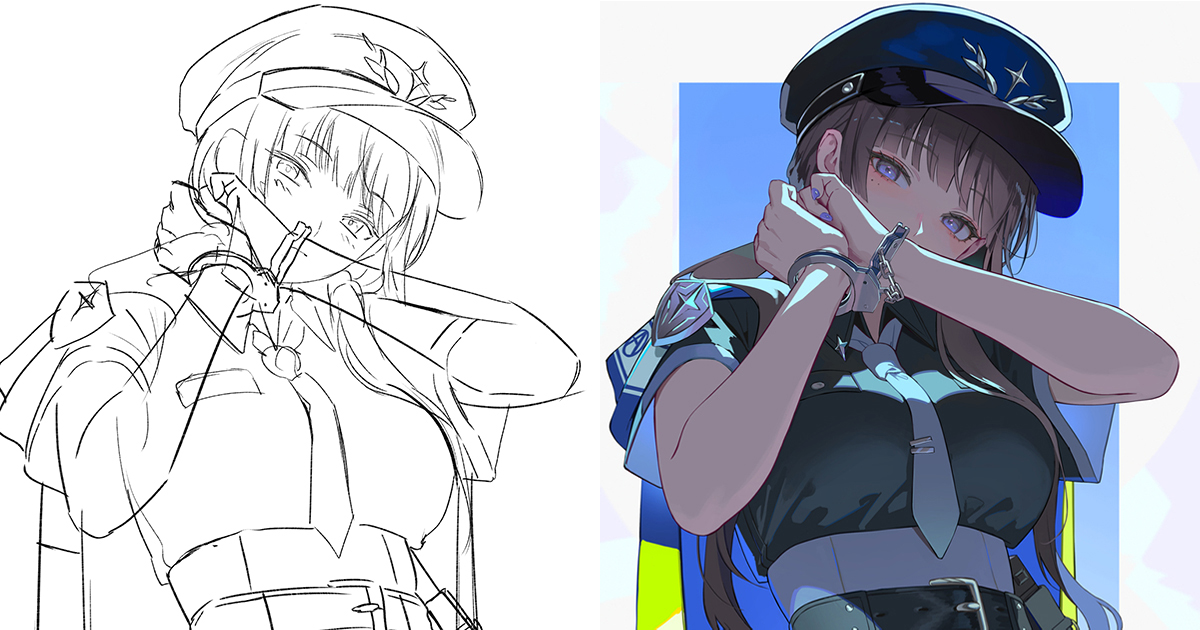
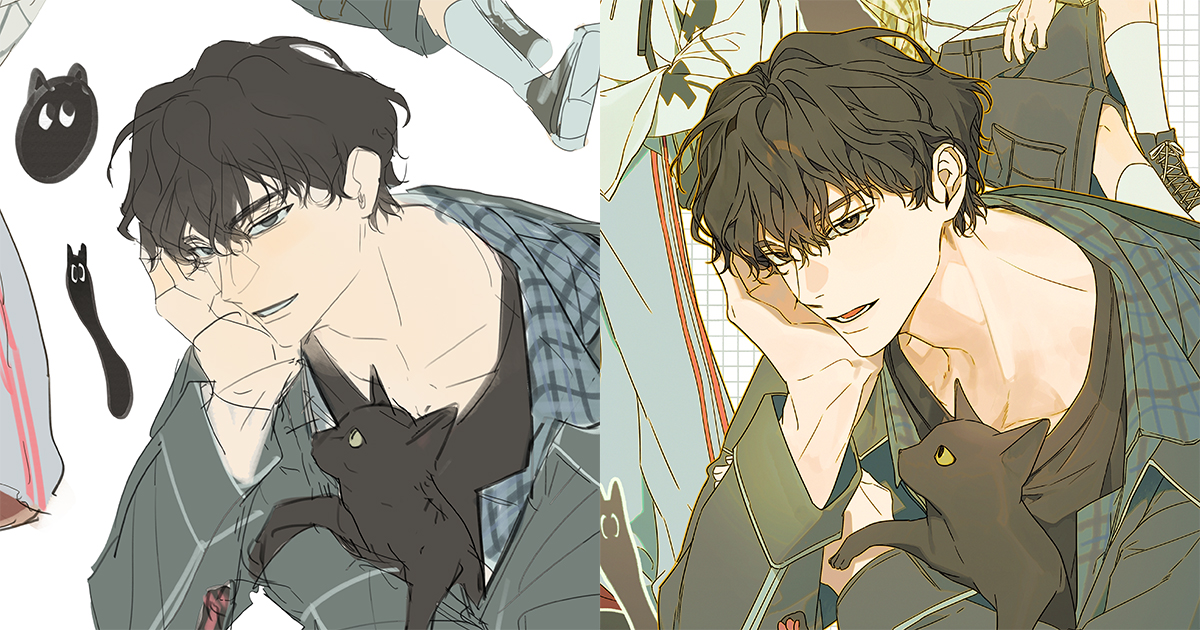
Behind the scenes with creator Fajyobore! How does she use lighting to its most beautiful effect?

On Artist's Spotlight, we interview artists around the globe who are active on pixiv to shed light on their work and how they create their illustrations.
These interviews often discuss topics related to the business of illustration, such as how to take your skills to the next level as a creator!
This time we interviewed Korean illustrator Fajyobore about the behind-the-scenes of her recent work and her creative progress!
Index
- Introducing Fajyobore and her illustration work
- Fajyobore’s favorite illustration and its creation process
- It's important to focus on improving skills aligned with your goals
- In a time of increasingly niche preferences, I want to create content that's uniquely mine
- Check out past Artist's Spotlight interviews!
- Fajyobore
South Korean illustrator.
She handles character and costume designs for games such as Seven Knights and Project Sekai, as well as key visuals and album jackets for the VTuber group ReGLoss, affiliated with COVER.
She masterfully utilizes a diverse spectrum of light, creating a cinematic atmosphere with a lyrical and fantastical immersive experience.
Introducing Fajyobore and her illustration work
── First of all, please briefly introduce yourself.
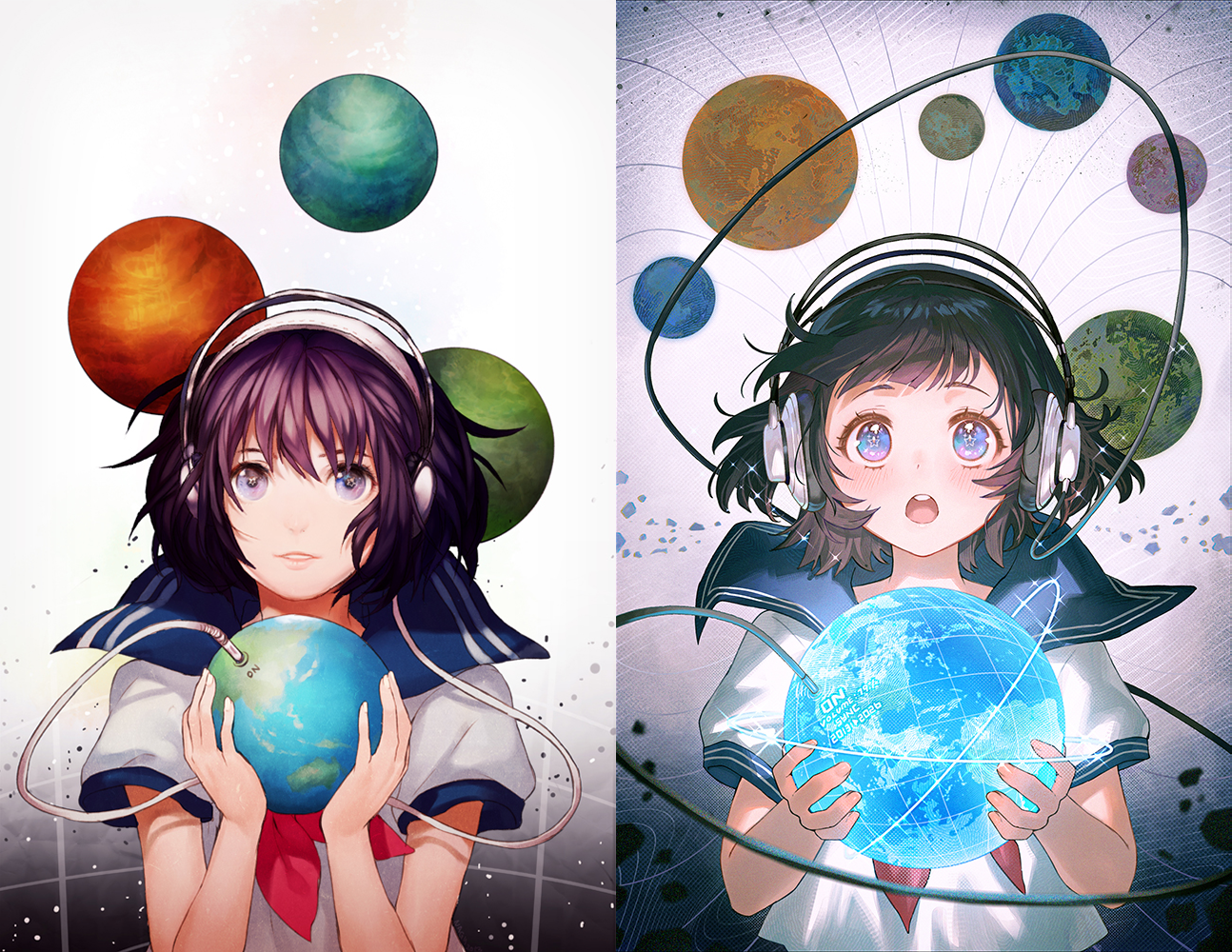
Hello! I'm Fajyobore, an illustrator. Most people know me for my work on key visuals and album cover designs for “ReGLoss” from Hololive. I’m also working on the doujin anthology “Interstellar Travel” as a personal project.
I mostly work in both character design and illustration, though illustration commissions have become my main focus recently. Since I specialize in illustrations using depictions of light, I receive many requests in that area. I especially enjoy creating tailored backgrounds and scenes that feel as though each individual character truly exists within them.


Fajyobore’s favorite illustration and its creation process
── Of the works you've created recently, which one is your favorite?
This piece is titled Reflection. I wanted to depict the loneliness and poignant atmosphere that many people feel during the winter season.

Fajyobore’s recent favorite illustration
── Please tell us what inspired you to draw this work.
According to the file creation date, I started this piece around November. It was just when the weather started turning chilly, so I think I naturally began incorporating that into my art. At the time, I was intensely studying how to depict light reflections and textures, so I drew inspiration from that as well. I was thrilled that I’d learned the principle behind depicting images reflecting on glass, so I incorporated glass textures into my work everywhere at that time.
── What do you like about this particular image?
I especially like this picture because I successfully captured the image of winter I envisioned. I particularly like how I expressed the contrast between the coldness of the glass and metal used for the background and the warm texture of the character's sweater and hat. I also managed to depict the gaze fixed on their reflection in the window glass exactly as I intended.
── What was the most enjoyable part of creating it?
I enjoy incorporating expressions of light, so finishing the retouching of this work was definitely the most fun part. It was especially interesting using layer effects to depict the light bleeding through the wool texture on the hat. I feel that this kind of bleeding light effect has become an essential part of my art since then.
Another adjustment I like is using Photoshop's lens blur effect after finishing the entire drawing to create a sense of distance. Unlike a simple blur effect, lens blur really feels like you’re viewing the scene through an out-of-focus camera.
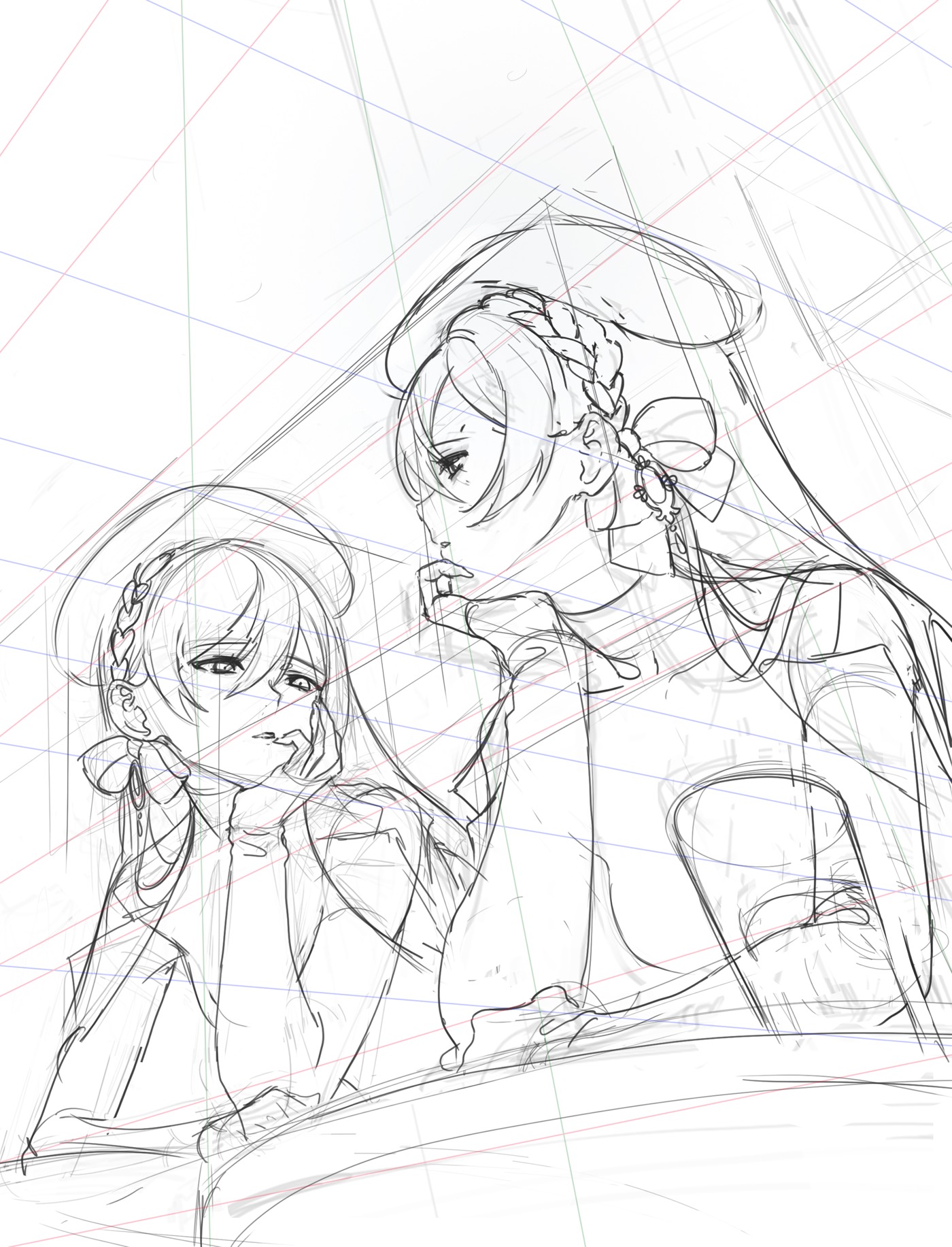
▼ Here's a little behind-the-scenes!
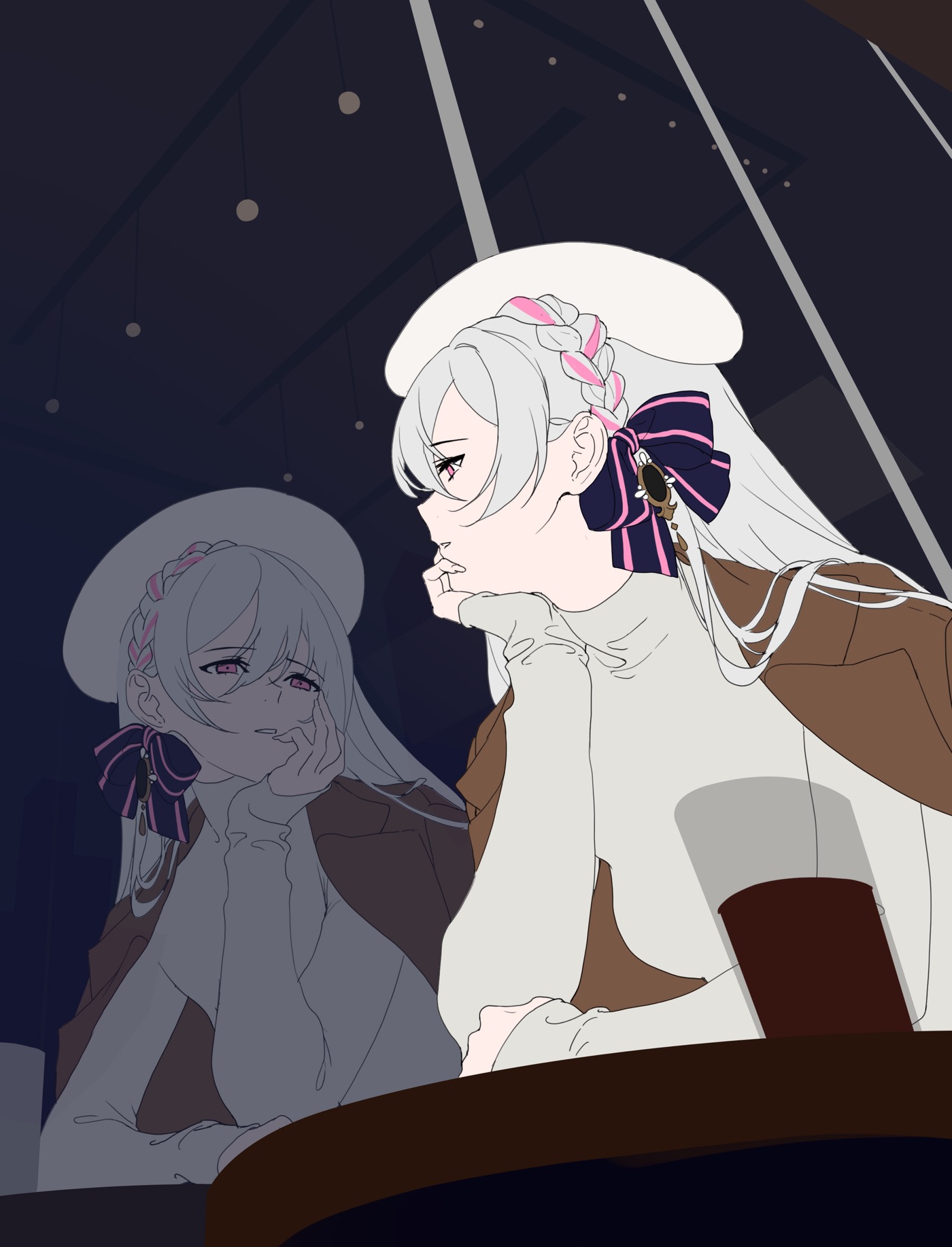
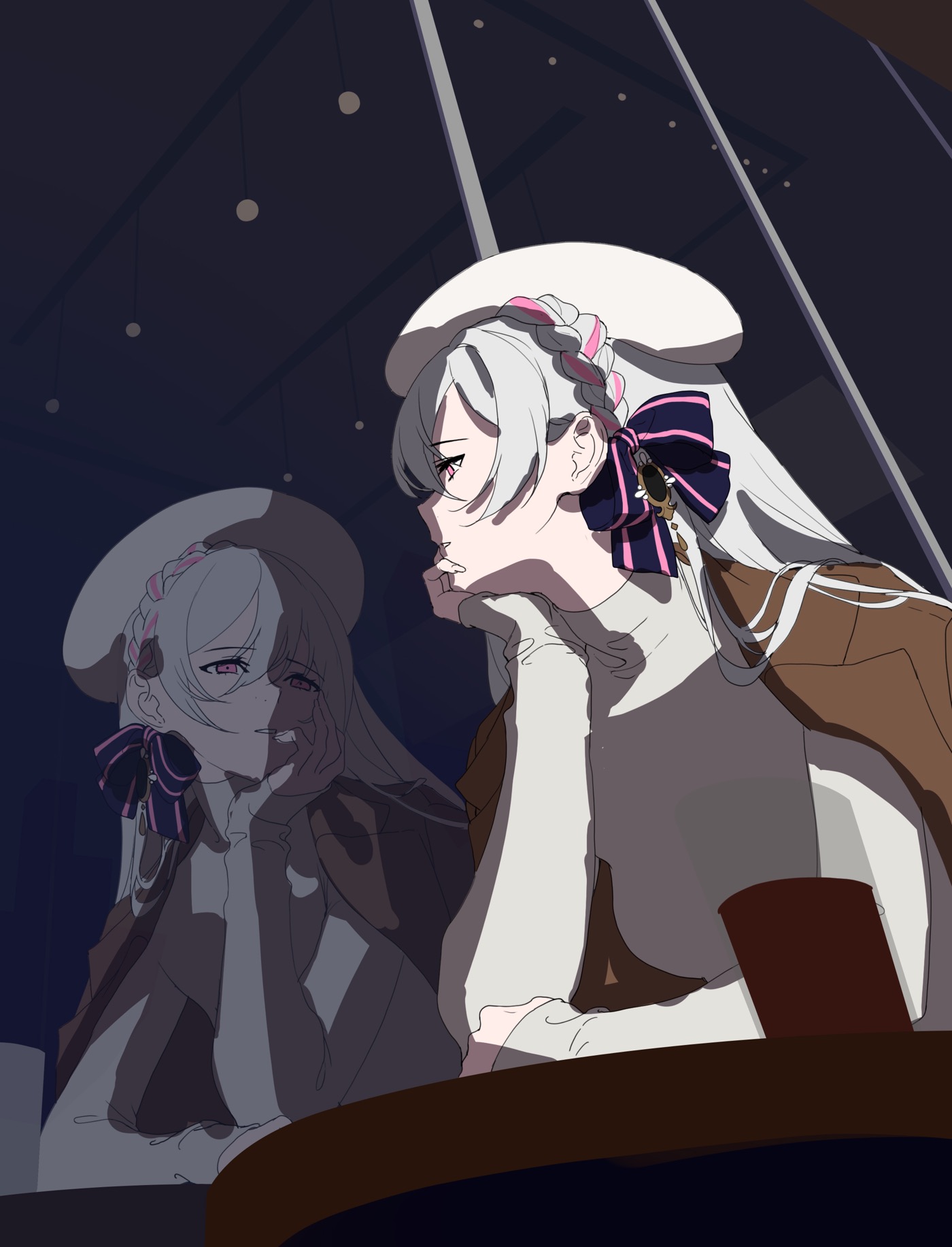
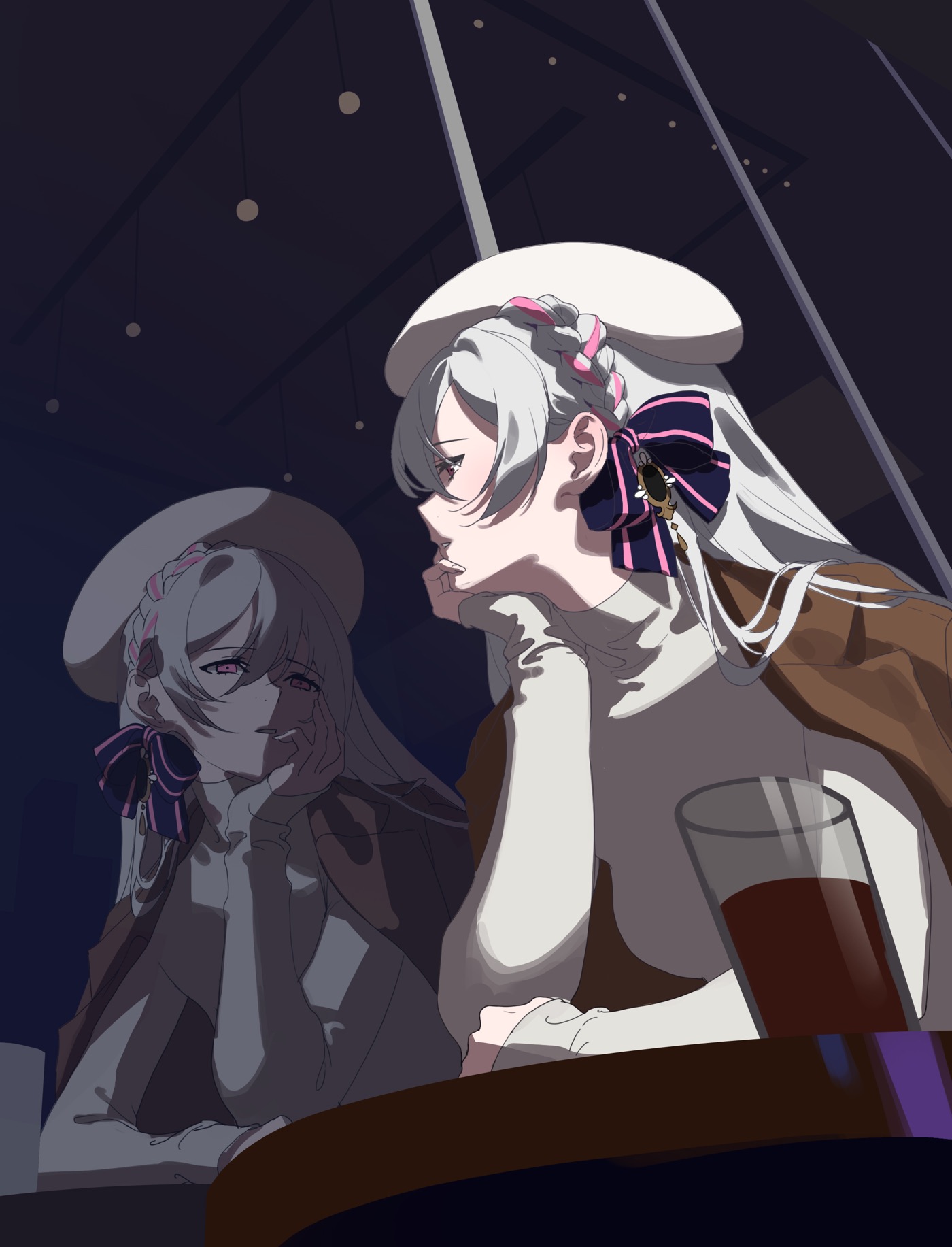
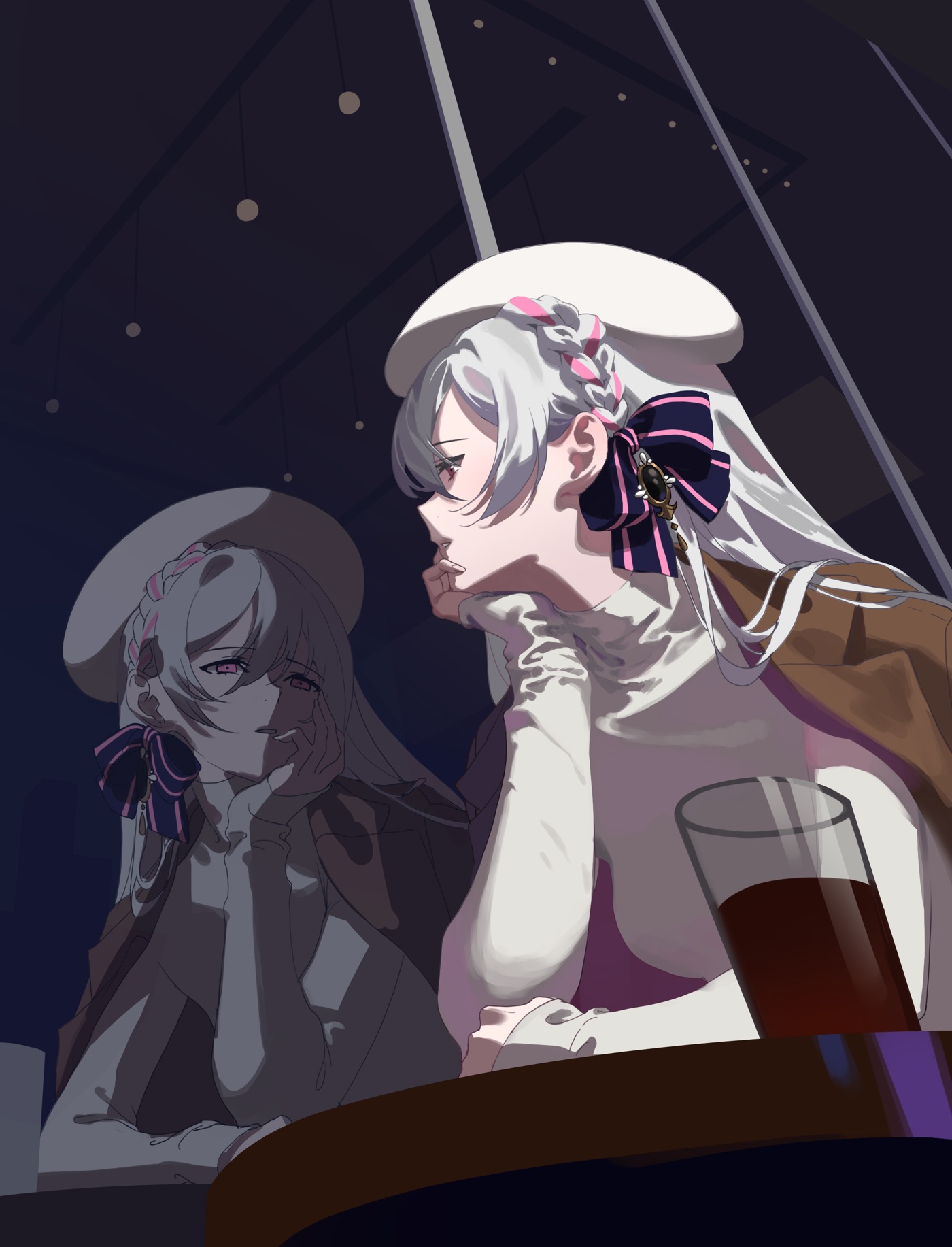
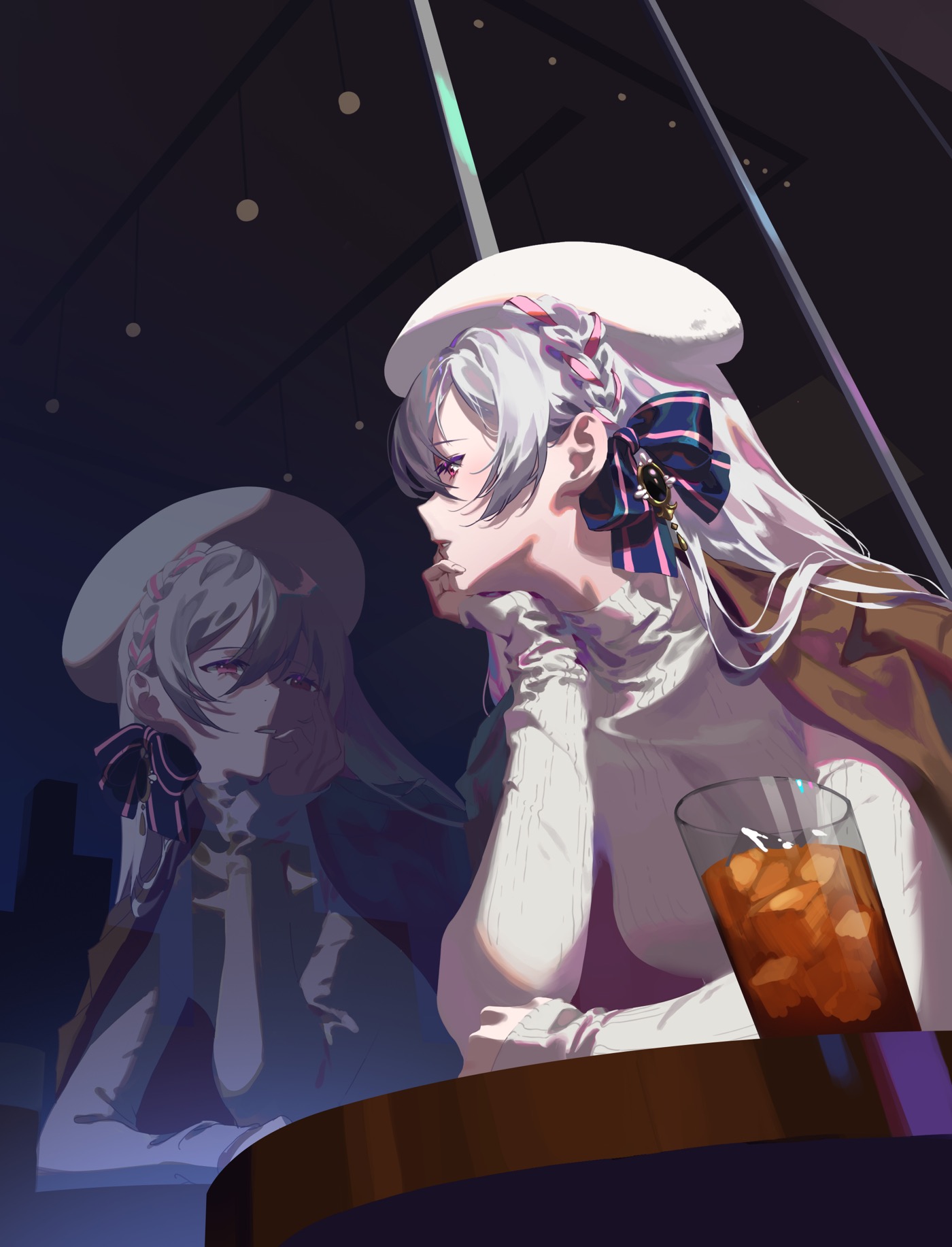
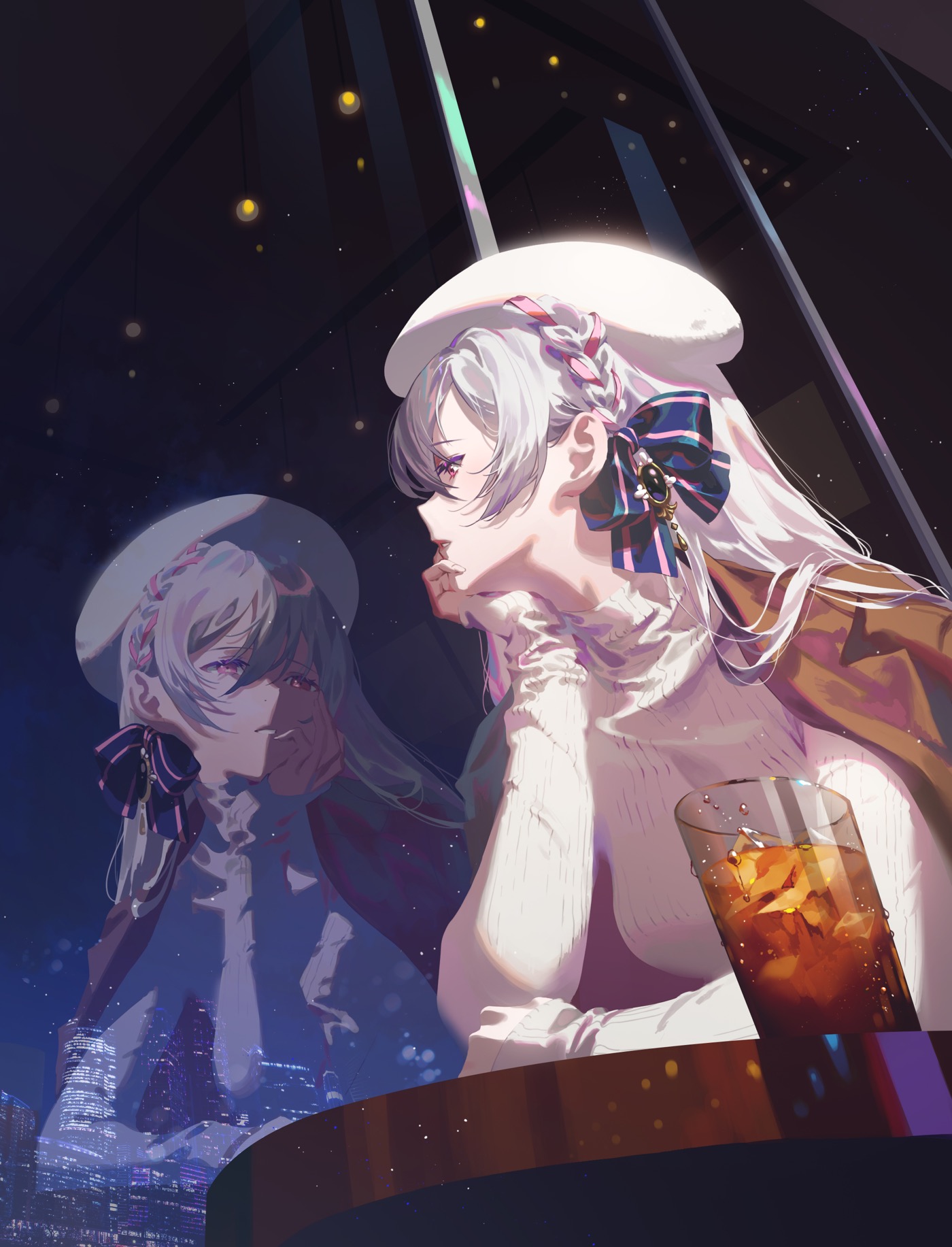
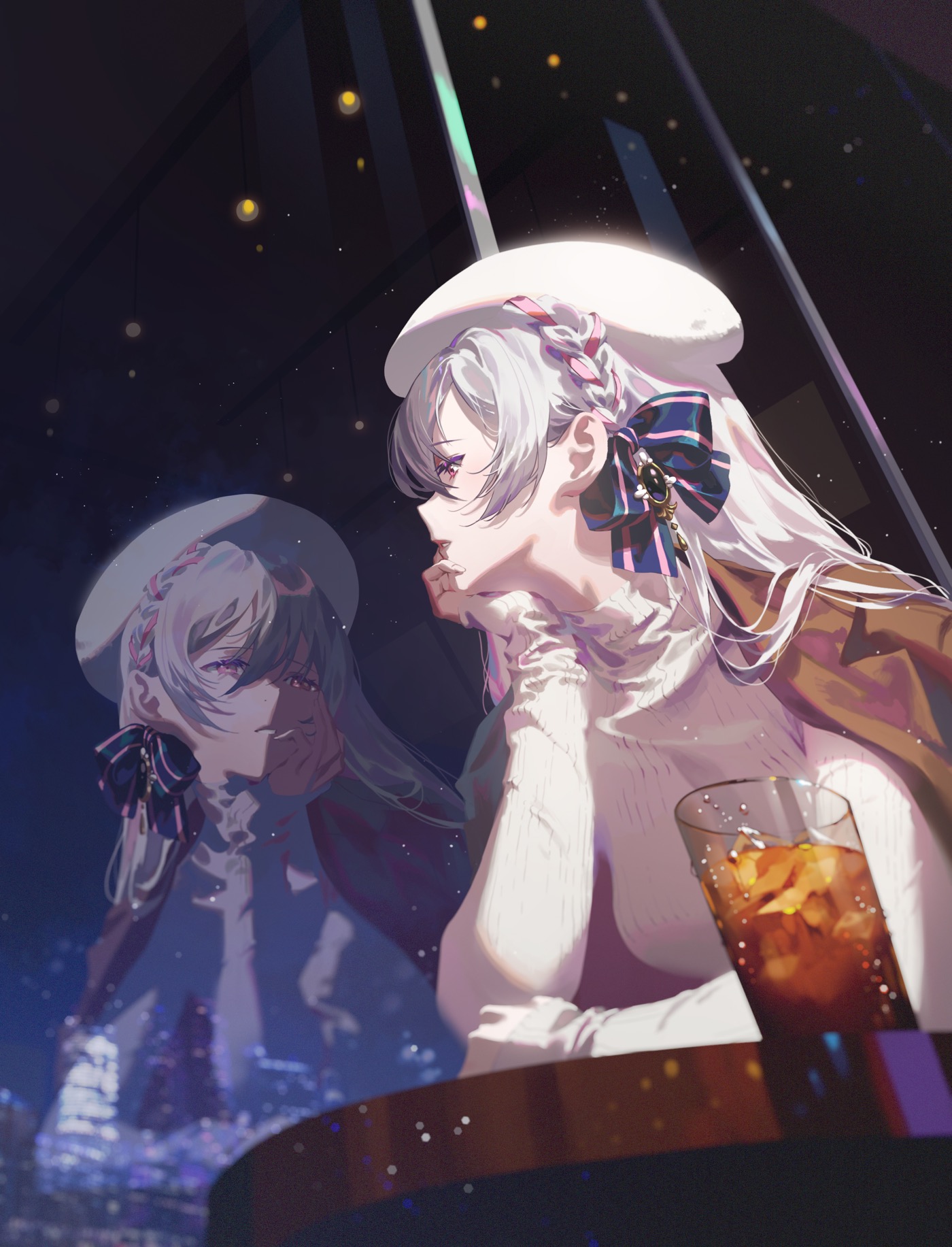
── On the other hand, what was the most difficult part of the process?
There is no efficient shortcut to depicting things reflected in glass, so I had to draw it from scratch, which ended up requiring me to draw the same character twice. Additionally, I wanted to effectively convey the angle of looking up from below, so I also had to calculate and draw the perspective of the reflective surface. To be honest, I drew it freehand rather than calculating exactly how it should reflect, but since it still required consideration of the space as a whole, it was difficult nonetheless.
── Was there an aspect that you paid particular attention to?
I focused on expressing the warmth and texture of knitwear and the soft wool material of the hat. I simplified the dark areas into a single block, thereby emphasizing the surfaces that catch the light. While I enjoyed attempting to reflect realistic textures at the time, it wasn’t easy to translate that into my art.
It's important to focus on improving skills aligned with your goals

── You express the key elements of your work with such delicate and beautiful precision. Could you tell us about the specific process you go through to achieve this level of detail? Also, please share how you conceptualize the stories woven within your pieces.
I don’t really have a set procedure for deciding on a piece's story or motif. I usually look for reference material or just actually try out whatever pops into my head. Rather than some special moment of inspiration striking, or deliberately creating it, I think it's more of an accumulation of things I like—movies, novels, experiences—taking shape over time. When working professionally, there's a process of communicating with clients. But with personal work, I often just draw whatever comes to mind at the moment, so explaining the process is quite difficult (laughs).
Even so, if there's one thing I can share, it's that, if I have the time, I place great importance on the process of creating small thumbnails (rough sketches). The most painful part of art is when there's a huge gap between the image in my head and what I actually draw. However, by creating a small thumbnail beforehand, I can get a sense of where my limits lie in terms of what I can actually bring to life. Since it's small, it doesn't take much time. It also serves as practice for drawing, increasing the likelihood that the final piece will turn out satisfying. I used to wonder why painters would deliberately paint the same picture twice because it seemed inefficient, but it does indeed have a purpose.
Getting all the details in naturally follows afterward. For example, even the same metallic texture differs depending on intent. When aiming for a cold, futuristic feel, I need to increase contrast and sharpen it; when seeking a soft, relaxed atmosphere, I lower the contrast and render surfaces with a softer quality.
Personally, I believe that what matters most in mastering technique is tailoring it to the specific goals you have in terms of artistic expression. Rather than striving to draw good pictures without direction, it's crucial to understand precisely what kind of image you want to convey. That, I believe, is the path to creating good art.
In a time of increasingly niche preferences, I want to create content that's uniquely mine

── Do you have any personal branding strategies that help you keep creating, connect with fans, and make your art sustainable as a career?
When I first started freelancing and was desperate to grow, my goals were quite different from what they are now. At first, I was anxious to get my name out there and reach as many people as I could. Because of that, I had this almost obsessive compulsion to draw pictures that as many people as possible would like. Back then, drawing fan art in popular genres was my way of branding myself.
Nowadays, while recognition is important, I believe it's crucial to give everyone a reason to check my pixiv and X specifically. To do that, I need to hone a unique sensibility that people can’t find anywhere else. Even if not as many people see and react to it, my recent guiding principle is to venture out in search of new forms of expression. Precisely because we live in a time where personal tastes are fragmented and niche rather than everyone chasing one big trend, my desire to create content that's uniquely mine is stronger than ever. The project I'll discuss later, Interstellar Travel was born from this very spirit.

── You produced the anthology art book, Interstellar Travel, which depicts a future world where people can freely traverse the stars. Could you share what prompted this project and any memorable episodes?
The reason I started was very simple. I wanted to publish a personal zine with original work, but my schedule didn't allow it. So I thought, why not do it as an anthology instead? By working with others, even if I drew fewer pages myself, the book would still be satisfyingly long. Of course, I had no idea how much work a producer had to do when I made that choice... (laughs).
Even so, working together with my team members to build this world, and sharing the load to overcome challenges when things got tough, was an invaluable experience I could never have gained alone. Through countless discussions and shared effort, I could feel the book's quality improving with every step we took.
Every element—from promotions on our dedicated X account to world-building and book structure—was created from scratch by all members. We never imagined our original work, created purely out of passion, would receive such an overwhelming response. This has become a tremendous source of hope for continuing our creative endeavors!
── Finally, please share a message for your loyal fans and everyone reading this article.
To everyone who looks at my artwork, thank you so much! In this world overflowing with wonderful art, the fact that you found and like my work feels like a miracle to me, and I am truly grateful. Lately, work and other commitments have kept me busy, and I haven't been able to focus much on personal projects. However, in 2026, I hope to deliver many more original pieces.
Currently, as an instructor, I often hear students express concerns about being intimidated by the number of talented people out there, which discourages them from making their own art. While it's true that social media and the internet have led to a significant increase in the number of highly skilled artists, I also want you to remember the positive side: the market has grown larger, and there are now more avenues and platforms available for creative expression.
I hope all of you who wish to draw will continue to enjoy creating the art you love.

── Thank you very much!
![[Artist’s Spotlight] An interview with designer and illustrator John Kafka - Where traditional painting meets contemporary fashion](https://i.pximg.net/imgaz/upload/20260810/573420973.jpg)




![[DrawTube] Character illustrations with a glass-like texture! An in-depth look at Taiwanese artist Ahoi’s drawing process](https://i.pximg.net/c/1200x630_q80_a2_g1_u1_icr0:0.187:1:0.556/img-original/img/2024/12/14/00/12/40/125160647_p0.jpg)