[Artist’s Spotlight] Manipulating light and color to create ethereal worlds! An interview with concept designer and illustrator Airi Pan
![[Artist’s Spotlight] Manipulating light and color to create ethereal worlds! An interview with concept designer and illustrator Airi Pan](https://embed.pixiv.net/pixivision/en/a/10876/ogimage.jpg)
Welcome to Artist’s Spotlight, an ongoing series on pixiv’s official YouTube account! On Artist’s Spotlight, we interview artists around the globe who are active on pixiv to shed light on their work and how they create their illustrations. These interviews often discuss topics related to the business of illustration, such as how to take your skills to the next level as a creator and things to keep in mind as a professional, making them a valuable source for both aspiring and professional illustrators.
For this feature, we spoke to Airi Pan, a Los Angeles-based concept designer and illustrator who has worked with top clients such as Netflix, Blizzard, and Pixar. This article contains excerpts from our interview, some snippets that didn’t make it into the video, and showcases some examples of her work!
For the full interview, check out the video linked at the end of the article!
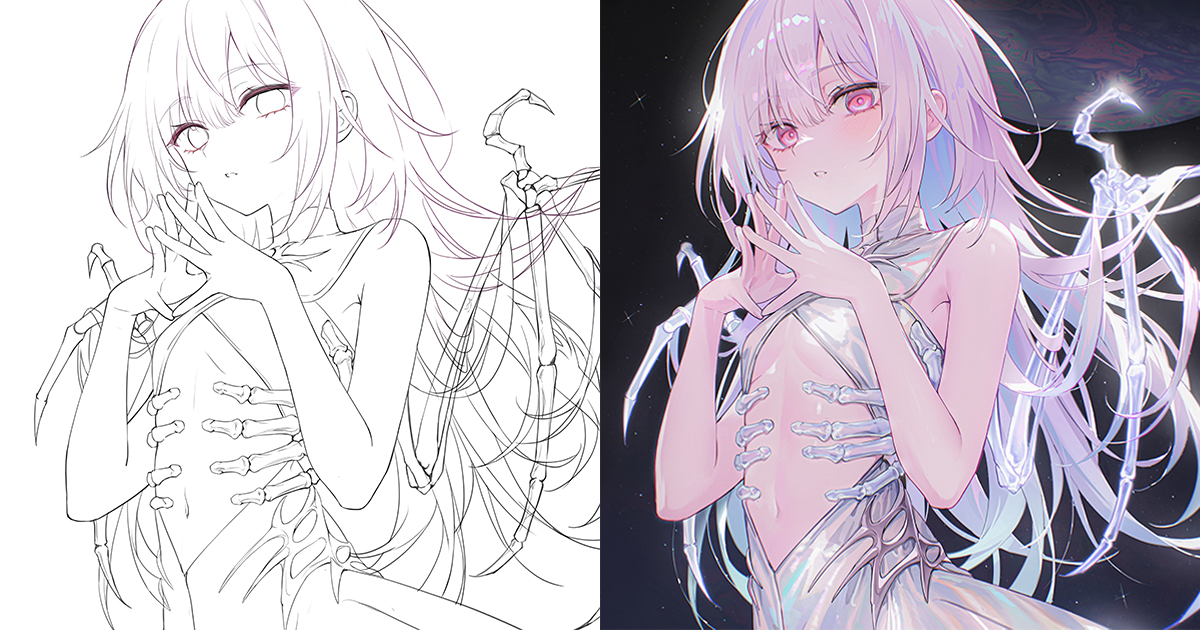
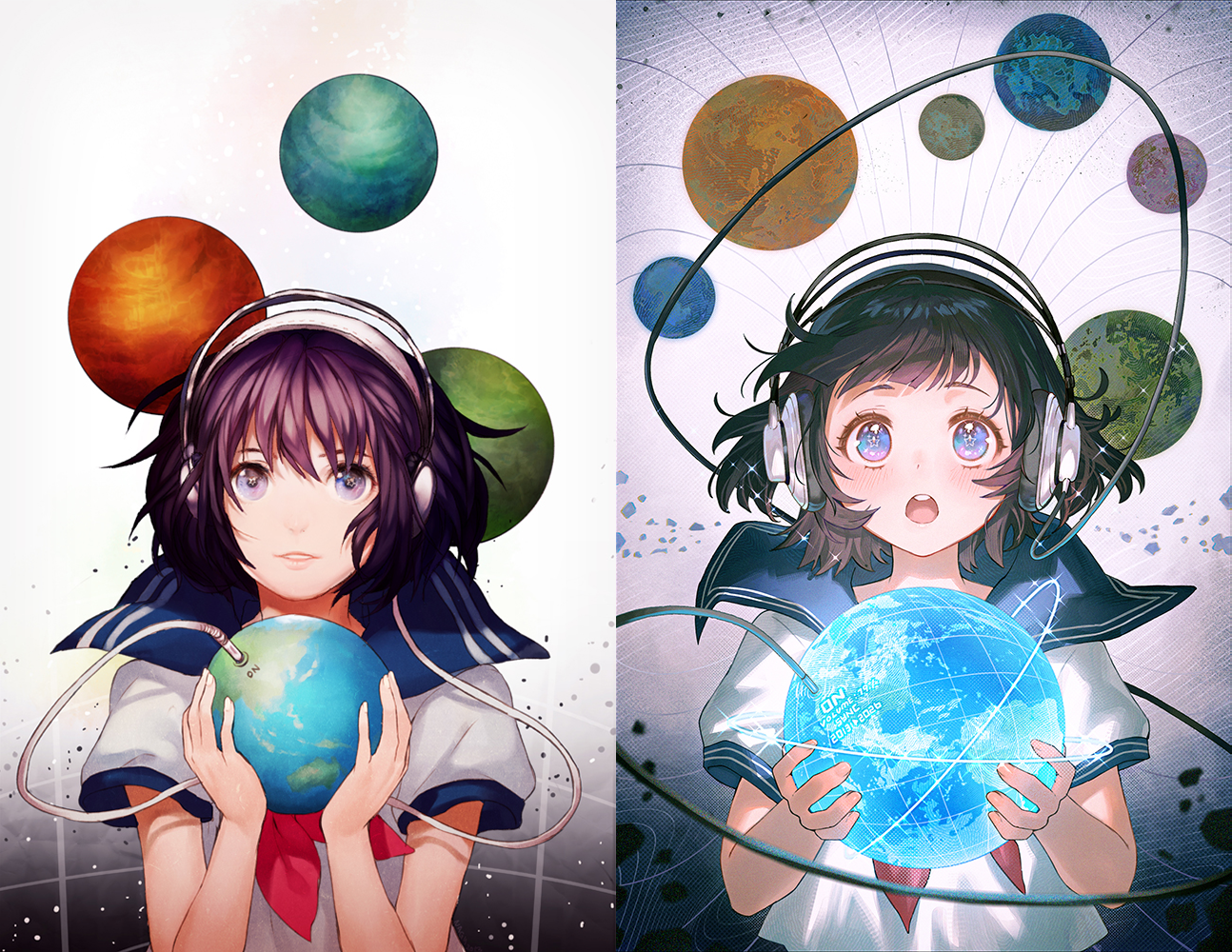
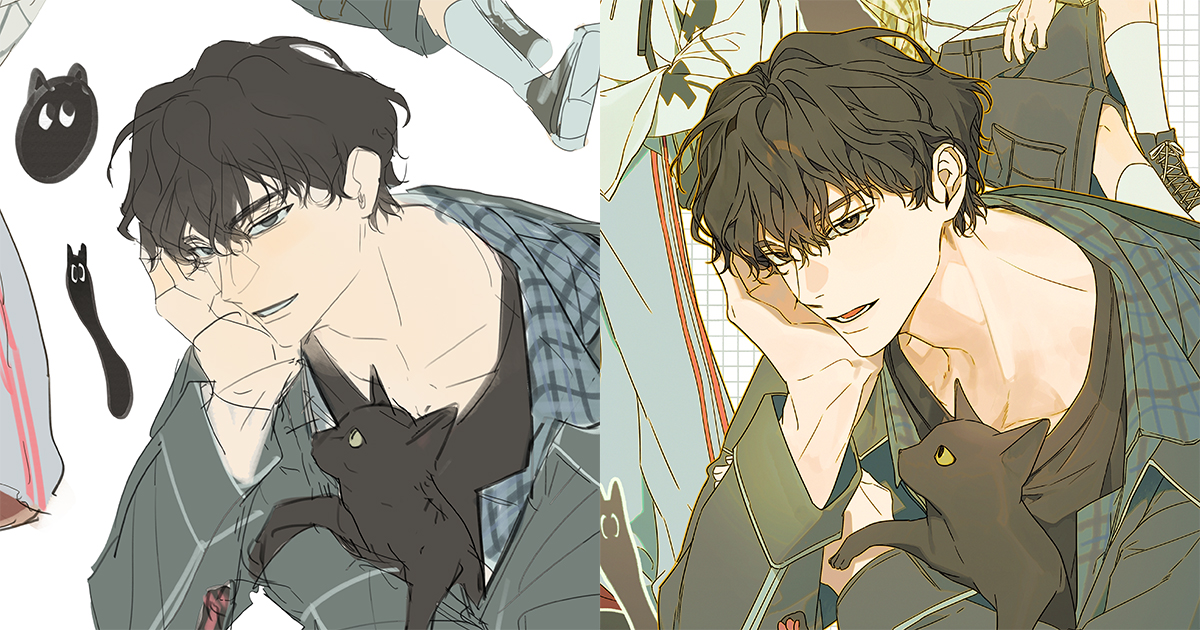
Original illustrations by Airi Pan


“Understand what your art style is, and if you want to change your output, start with the stuff that you consume.”
── What inspired you to choose to make illustration your career? Was there a certain moment or experience in your life that put you on the path to where you are now?
Growing up, you often hear that you can’t be an artist for a job. As for me, I’ve always liked drawing and art, and I was always the artsy kid in school—I really couldn’t see myself doing a desk job. I did well in my studies, but I just couldn’t see myself sitting in an office in front of spreadsheets. I didn’t even understand what other jobs I could do besides art.
But when I was a junior in high school, I was able to get a tour of the Pixar campus and even dragged my parents along. That was the first time I had been on a campus where people’s jobs were to create entertainment. Seeing real people whose job it was to draw and design fictional worlds and characters made me realize: “If these people—regular people, who breathe, eat, and have families—can do it, then I can do it too.”
When I was a student, my goal was almost single-mindedly to get hired. Concept art is a niche, very scarce job that is only getting scarcer because companies think they can replace concept artists with AI. They’re wrong—they will make worse products in my opinion—but that doesn’t change the fact that the job market, especially for concept art, is very hard to break into.
And so, as a student, it was a means of survival to try to appeal to companies as much as possible. The students I know who went in with that mindset from the get-go are the ones who actually got jobs, whereas other students who didn’t have as much of a survival mindset are still looking for their first job, and they’re finding it very difficult.
If I had to give advice to people who are just starting out professionally, I would say that putting your work out there for other people to judge is a very daunting experience. You feel like you’re putting a piece of yourself out there for people to judge because it has a little bit of your soul attached to it. But as a professional, you have to remember that you’re trying to solve a problem, and if your client doesn’t like your artwork or rejects it, it doesn’t mean you’re not good enough as a person.
It’s a product issue, and when you go into the corporate world with something as spiritual and personal as art, you have to have that kind of mental barrier to protect yourself. At the same time, you should be able to let that shield down when you’re drawing for fun. But make sure you have that shield up, because you want to make sure you can protect your artistic core at the end of the day.
One of the most memorable things for me was finding out just how many incredible artists there are out there who never post their work. The only way to find them is to meet them through work, whether they’re at an outsource studio or whether they’re on your team. Some of these veteran artists are in their 30s and 40s, they have their own families, and they’re so incredibly good at what they do that they don’t post their work anywhere else because they just don’t care.
So those were actually some of the most memorable moments for me: finding out how high the ceiling actually goes. We see amazing work online, but a lot of times, some of the most incredible work is actually done when there’s a very, very tight deadline or a very difficult problem to solve—and yet an experienced artist is able to do it almost effortlessly. Well, I know it’s never easy, but they make it look that way. That’s a skill that I’ve come to appreciate so much. A lot of times now, just seeing a pretty illustration doesn’t necessarily impress me, because I don’t know how long it took the artist to make that illustration.
Now I understand how art can serve different purposes and how impressive art can be in very different ways.
Whether you like your personal style or not, being aware of it is the first step. But I also think it feels really good to be able to just accept your art as your art. A lily can’t change the fact that it’s a lily, and lavender flowers can’t change the fact that they’re lavender flowers. You can’t be a white lavender, but you can try to be the most purple and nice-smelling lavender you can be.
As an artist, you cannot appeal to everyone, and that is something I had to learn in order to accept my own style. Now that I’ve accepted it, I actually consider it a huge boon to be aware of it and to be able to lean into it. So instead of trying to be an ice cream flavor that makes everyone happy, I decided I’m going to be the best chocolate ice cream flavor you can get!
You need to be quite a distinct individual in order to become a truly distinct artist. But that takes years, and you probably had to have had a very unique childhood. So, if you’re trying to completely change your art style overnight—which you can’t—or at least in less than a lifetime, then I recommend going outside of your comfort zone in terms of what you do and what you consume. After all, art is a direct output of the average stuff that you consume.
If you love anime art and you love drawing anime art, but the only thing you consume is other anime art, then your output is inevitably going to look pretty much the same as everything else out there. I think the way I started to differentiate my artwork from everyone else’s was when I started to learn different techniques and facets of design, like graphic design.
For example, some of my friends in school stopped doing concept art for a year and just learned about transportation, car design, architecture, and so on, and that influenced their art so much more than anything else I’ve seen. So you have to be the one to step out of your comfort zone to consume and learn something that you are interested in but that other people in the industry aren’t touching.
![[Artist’s Spotlight] An interview with designer and illustrator John Kafka - Where traditional painting meets contemporary fashion](https://i.pximg.net/imgaz/upload/20260810/573420973.jpg)