• English
  • 简体中文
  • 繁體中文
  • 한국어
  • ภาษาไทย
  • Bahasa Melayu
  • 日本語
pixivision
Make it interesting
Explore
  • Illustrations
  • Manga
  • Novels
Create
  • Tutorials
  • Behind the Art
  • Materials
Discover
  • Interviews
  • Columns
  • News
  • Top
  • Interviews
  • Webtoon label Pikalo's vision for creating memorable works - Bringing the passion of solo creators into team-based vertical webtoon production.
Interviews
2024.10.05

Webtoon label Pikalo's vision for creating memorable works - Bringing the passion of solo creators into team-based vertical webtoon production.

  • interview
  • ToonScroll
  • webtoons
  • manga production
  • creator interview
Webtoon label Pikalo's vision for creating memorable works - Bringing the passion of solo creators into team-based vertical webtoon production.

Interview by Kyu Nakanishi

Pikalo is a brand new webtoon label launched through a collaboration between pixiv Inc. (hereinafter referred to as "pixiv"), webtoon production company LOCKER ROOM, and publisher KADOKAWA. The label's inaugural series, Nee, Wasurete Ii Yo, was released in August, with more new titles set to follow.


We spoke to Yuta Asaoka and Nanami Fujimoto from the Pikalo editorial team about their reasons for starting this new label and what makes Pikalo so appealing to creators. Their focus on valuing the passion of solo creators and creating memorable works was a key part of this interview.
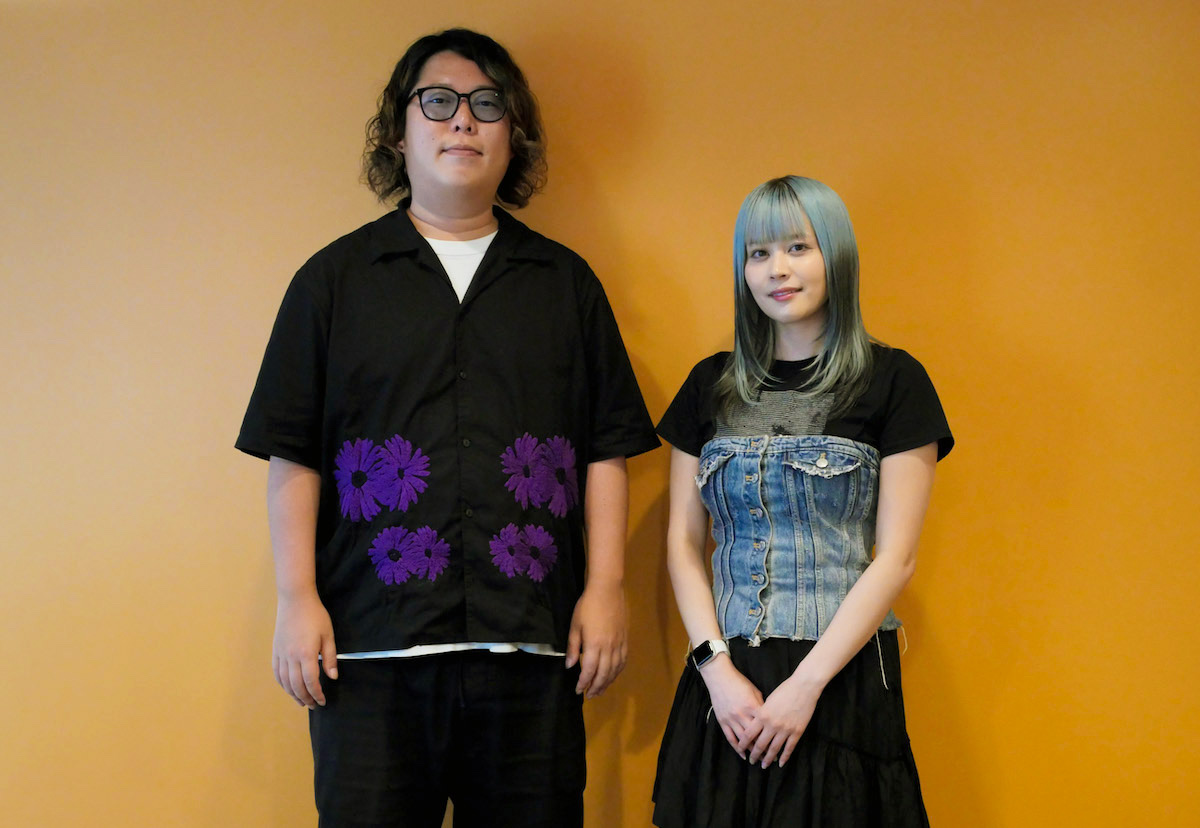
Yuta Asaoka on the left, Nanami Fujimoto on the right.

Index
  •  Creating works that leave a lasting memory rather than chasing numbers
  •  The most important thing is the passion behind the work
  •  A chat with Pikalo creators
  •  If you’re not enjoying your work, what’s the point?
  •  The need to create iconic titles
  •  Pikalo is recruiting webtoon creators!
  •  pixiv Inc. brings you the latest vertical manga news!

Creating works that leave a lasting memory rather than chasing numbers

── Pikalo is a collaboration between pixiv, LOCKER ROOM, the webtoon production company you lead, and KADOKAWA. How did this project come together?

Asaoka: It all started in the winter of 2020, when pixiv reached out to LOCKER ROOM about webtoon production. At the time, we had just begun working on webtoons ourselves, but as we discussed the future of the industry and exchanged ideas with pixiv, we hit it off. At that time, webtoons were still strongly associated with South Korea, so we decided to start the Pikalo project to create Japanese webtoons. KADOKAWA, who had previously worked with pixiv on the Gene pixiv label, also joined the project.

── What was the common ground that LOCKER ROOM found with pixiv?
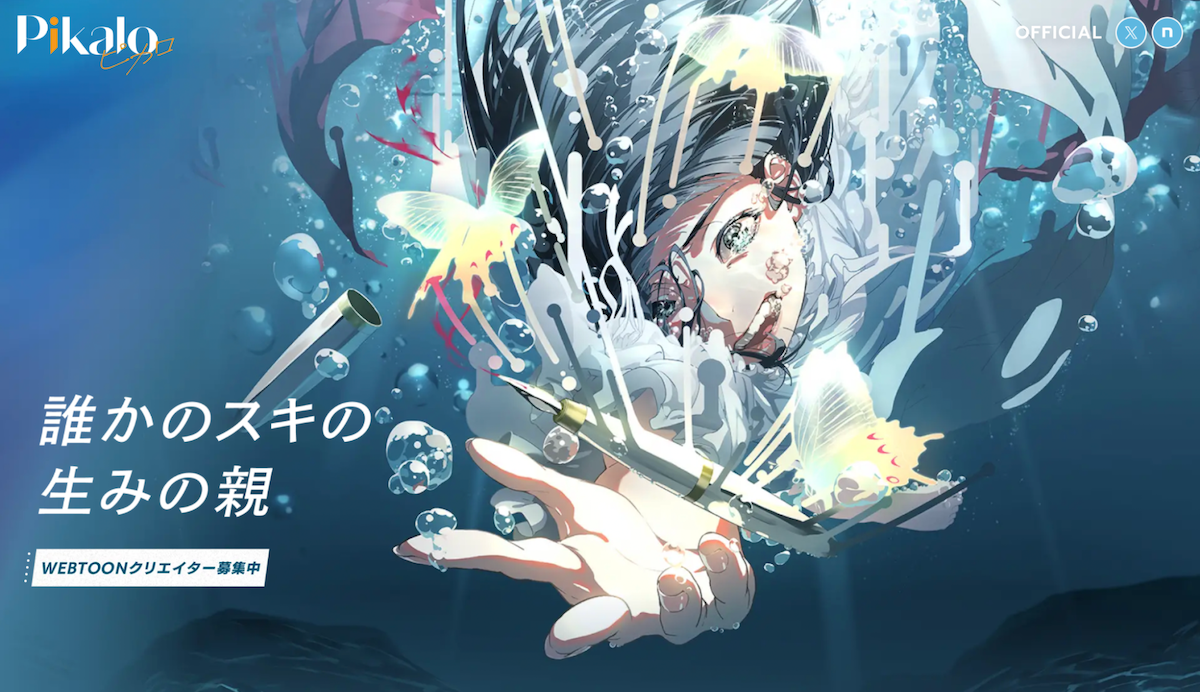
Asaoka: Whether it's webtoons, traditional manga, dramas, or anime, the key point is that if the creators don't have fun creating it, it won't grow into something culturally significant. In other words, just making works that follow trends and chase numbers might make sense business-wise, but it won't build a lasting cultural legacy. Of course, KADOKAWA agrees with this perspective as well.

Pikalo's catchphrase is “We're the parents of your new faves.”

── Pikalo was launched with the clear goal of establishing webtoons as a lasting cultural presence in Japan, right?

Asaoka: That's right. We're very intentional about carving out a unique position in the industry, and we've laid out three core principles: create works that leave a lasting memory, make works that inspire other creators, and do what no one else is doing. When we talk about "works that leave a lasting memory," our perspective is rooted in what we feel would be a true failure, which for us would mean creating a work that is easily forgotten rather than one that simply doesn't sell well. Especially with webtoons, there are plenty of cases where people enjoy reading a series in the moment, but later realize they don't remember much about it.

── I see.

Asaoka: Instead, we want to create something that truly stays with the reader. Those are the kinds of works that other creators look up to. Ideally, we want to build a platform that feels "cool"—like Comic Beam or Kurage Bunch—something people look at and think, "Wow, that's awesome!" (laughs) The ultimate example is the Weekly Shonen Jump, where talented creators naturally gravitate because they aspire to have their work featured there.

── It's only natural for creators to want their work published on platforms they look up to.

Asaoka: As for "doing what no one else is doing," no other label has explicitly stated that it will publish all of its works in paperback format, and we also have a system in place that allows us to handle voice dramas and short drama adaptations completely in-house. Through these efforts, we aim to become a label that appeals to creators.

The topic of webtoon paperback adaptations is addressed by the KADOKAWA representative on Pikalo's Note (Japanese only).

── It must be really satisfying for creators to see their works turned into physical books, and this is only possible because you're leveraging the strengths of all three companies.

Asaoka: That's right. Since we're doing things that have never been done before, there are bound to be short-term failures (laughs), but we're betting on the potential for medium and long-term success. None of this would be possible without the collaboration of pixiv and KADOKAWA, and I'm really grateful for their support.

── I've heard that the label plans to focus on genres that are especially popular among women, like BL.

Asaoka: That was the original plan, but lately I've been thinking that we don't have to be so set in our ways. For example, if a comedy manga is the first thing that really takes off, we'll probably naturally push more in that direction. Ultimately, it all depends on what becomes popular first. Right now, about 80% of our content is aimed at women, and 20% at men, but even within those categories, we aim to make women's works enjoyable for male readers and vice versa. So I expect the ratio to change over time.

── Was the original focus on women's genres meant to set you apart from the other labels out there?

Asaoka: Not exactly. It was more because a lot of our staff are women. As I said earlier, our core belief is that creators need to enjoy what they're doing, and it seemed like women's genres were something our team could really invest in. Also, women tend to be the early adopters of new media—for example, vertical videos on TikTokーso it made sense to target that audience. But over the past year, the landscape has changed quite a bit, and now I feel like we don't need to stick so rigidly to those categories.

Pikalo’s editorial team introduction on Note (Japanese only). They are increasing staff and working to create the next big hit.

The most important thing is the passion behind the work

── Pikalo's job listings are unique in that they have separate categories for "solo creators" and "specialized creators," and people can apply to either.
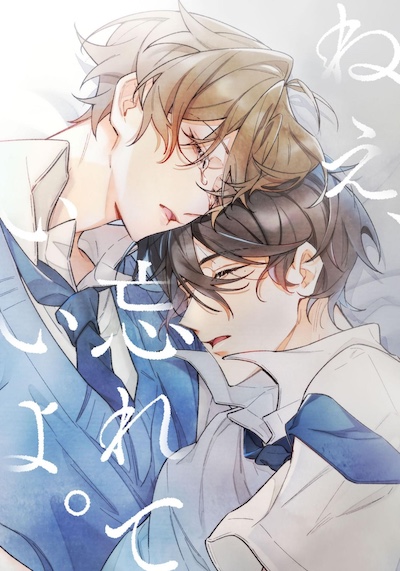
Asaoka: That might be true. I think most webtoon studios don't really recruit solo creators, but since Pikalo is a label and not a studio, we have that flexibility. For example, our first title, Nee, Wasurete Ii Yo, which was created by Fujimoto, was produced in a division-of-labor style. However, since she was responsible for the original concept, script, and production, her personal touch is very much present throughout the work.
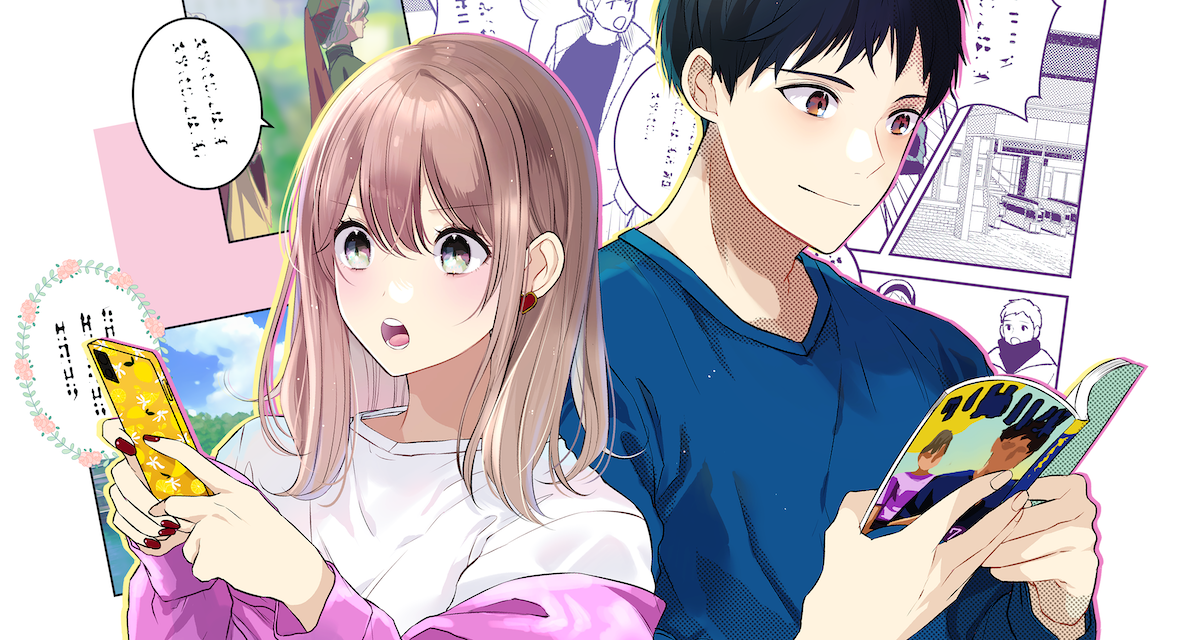
Synopsis of Nee, Wasurete Ii Yo: Kazuki, a member of the light music club, is a huge fan of the band "MementO MOri." He discovers that Kihito, the most popular guy in school and star of the soccer team, is also a fan of the same band, and the two quickly bond. Kihito, who is a talented singer and secretly wants to pursue music rather than soccer, joins Kazuki's band. Just when they think their lives will continue to be intertwined with music, things take an unexpected turn.

Fujimoto: I wrote the original concept and script, then passed it on to a storyboard artist to create the storyboards. From there, it went to the person in charge of the line art, and so on.

Asaoka: Traditionally, Japanese manga is mostly created by solo creators, right? The kind of eccentric ideas that only emerge from a single author have often led to unexpected hits. We're betting on that potential. But realistically, producing a weekly series as an individual is extremely difficult, especially with webtoons, which require full-color artwork to be completed every week. It's very hard for one person to manage all of that alone.

── Given the amount of work involved in producing full-color weekly chapters, that makes sense… What inspired the creation of Nee, Wasurete Ii Yo?
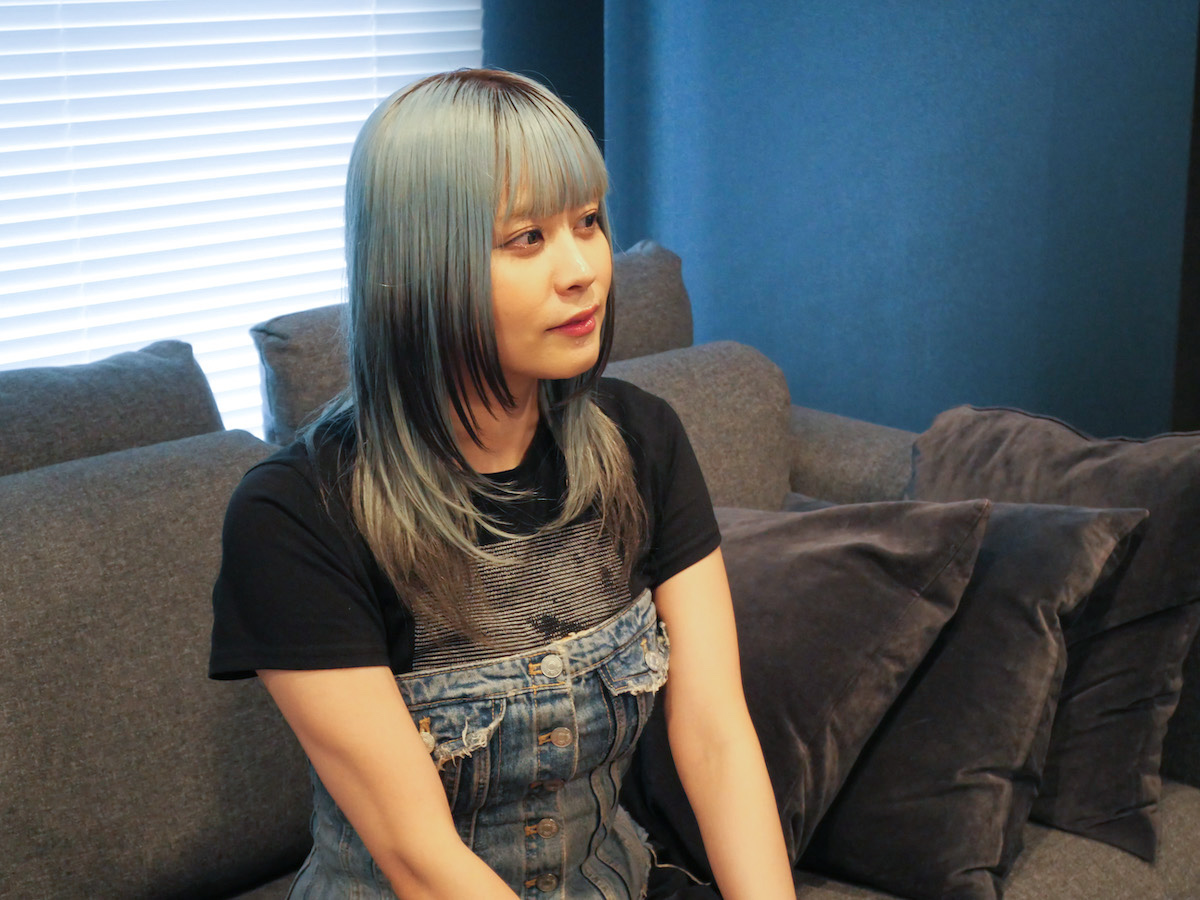
Fujimoto: When I first heard about Pikalo's philosophy, I wanted to come up with a concept that matched its vision. So I set aside the usual trends in webtoons and what the market was demanding, and asked myself, "What do I really want to create?" The answer I came up with was "BL!" I pitched the idea to Asaoka, and he was like, "BL? Sounds great!" (laughs)
Asaoka: Fujimoto's personal passion really came through in the concept, so I thought, "Let's go for it." In a way, we were betting on her enthusiasm. At Pikalo, we often start projects this way. Of course, there are business considerations, but what we value most is whether the project has that kind of passion behind it.
Fujimoto: That being said, the BL market had already grown quite large, and by the time I developed the concept, a lot of themes had already been explored. So I started looking for gaps. Without giving away spoilers (laughs), I found an untapped theme, and that's how Nee, Wasurete Ii Yo came to be. It's really a project that started outside of mainstream trends or formulas, and I think that's what makes it so distinctly Pikalo.

── Once the project moves beyond the storyboard phase and other creators are involved, do suggestions ever come up, like wanting to change a line or the general drawing direction?

Fujimoto: Yes, that does happen. At our company, we welcome any ideas that can improve the work, so there’s a lot of back-and-forth where someone suggests something, and if it sounds good, we go with it. Of course, no one makes changes without approval. (laughs)

Asaoka: That also ties back to the idea that the creators should enjoy doing what they do.
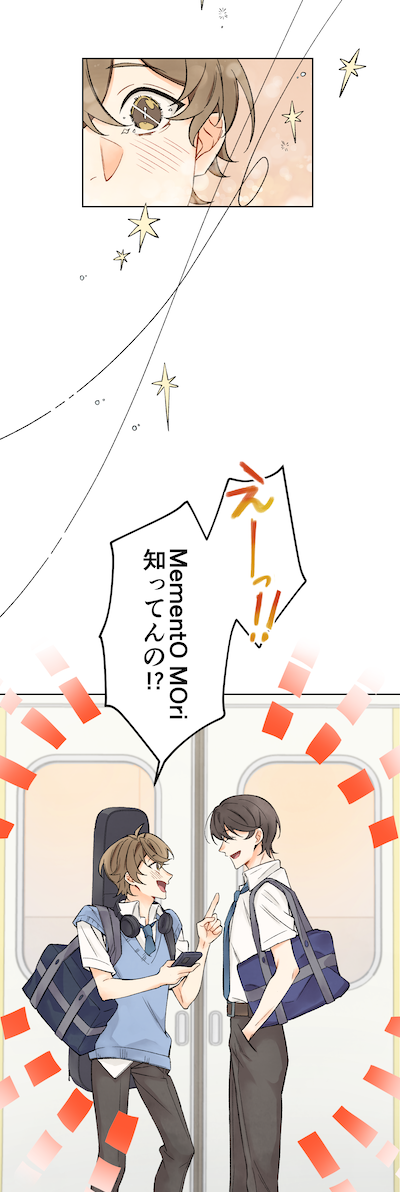
From Nee, Wasurete Ii Yo, Chapter 2

── Among the creators currently working with Pikalo, what's the ratio of solo creators to those working in teams?

Fujimoto: In terms of applicants, we receive more for the specialized positions. There are simply more people who specialize in things like "just coloring" or "just backgrounds" compared to those who can handle everything from storytelling to drawing and finishing.

── Do you find yourself thinking, "I wish we had more solo creators"?

Fujimoto: Honestly, we'd love to have more of both! (laughs) But as Asaoka just said, it's really hard to handle a whole serial project solo, and I think the current number of applicants reflects that reality.

── For example, could there be cases where someone handles everything up to the line art, and then the rest, like coloring, is done by a team?

Fujimoto: That's possible, but in the end, it’s pretty close to a full division-of-labor setup, so it wouldn’t be much different.

Asaoka: We don't have a clear answer yet. (laughs) We’re still trying out different approaches to figure out the best way to combine the strengths of solo creators with the advantages of working as a team.

A chat with Pikalo creators

── We asked the two creators behind Nee, Wasurete Ii Yo about their experiences working with Pikalo.

Storyboard artist: Wadachi

Up-and-coming webtoon creator Wadachi was responsible for the storyboards of Nee, Wasurete Ii Yo. This is their first commercial project.


Q1. What led you to join Pikalo?


A. I was thinking about how I could turn my hobby of drawing into a job when I learned about the collaborative style of webtoon production. I applied to LOCKER ROOM as a storyboard artist. Not long after, they approached me with the idea of creating a BL webtoon, and since I already loved BL, I felt like it was a sign from above... And I jumped at the chance to join Pikalo!


Q2. How has your experience been so far?


A. Webtoons give me the freedom to both read and create without being restricted by the traditional horizontal manga format. But with Pikalo, I’ve had even more creative freedom when working on storyboards. (laughs) I’ve been able to add ideas like, "Hey, wouldn’t this visual direction be interesting?" On top of that, since Pikalo mainly focuses on women’s genres, which I love, it’s really boosted my motivation to both read and create.


Q3. What's your favorite scene in Nee, Wasurete Ii Yo?


A. There's a part where the two main characters have a small misunderstanding and things get awkward between them... It's such a bright and heartwarming story about being young, I hope readers can really feel that emotional pull! I've also worked with several visual techniques that really shine in a vertical format, so I hope readers appreciate those too.

Finishing touches: Nagase

Nagase was responsible for the finishing touches in Nee, Wasurete Ii Yo. This is their first commercial project.

X account: https://x.com/naga7992


Q1. What led you to join Pikalo?


A. I've always loved reading webtoons and drawing, so I started looking into ways to turn those interests into a career. That’s when I came across a Pikalo ad recruiting creators, and I was immediately interested, so I applied.


Q2. How has your experience been so far?


A. Since this is my first webtoon job, I don't have much to compare it to, but I’ve found it really easy to understand the atmosphere we’re aiming for during the finishing stages. Right from the beginning, the team shared the direction of the project with me—what kind of vibe, style, and elements we should focus on. That guidance has been incredibly helpful, especially when I’m unsure about something during the finishing process.


Q3. What's your favorite scene in Nee, Wasurete Ii Yo?


A. Personally, I really loved the school festival scenes. There’s this great moment when Kazuki drags a frightened Kihito through the haunted house, and later they perform together at the after-party. It’s such a bright, youthful part of the story, and working on those scenes made me feel really happy. Seeing them enjoy the festival made the finishing touches even more fun to work on.
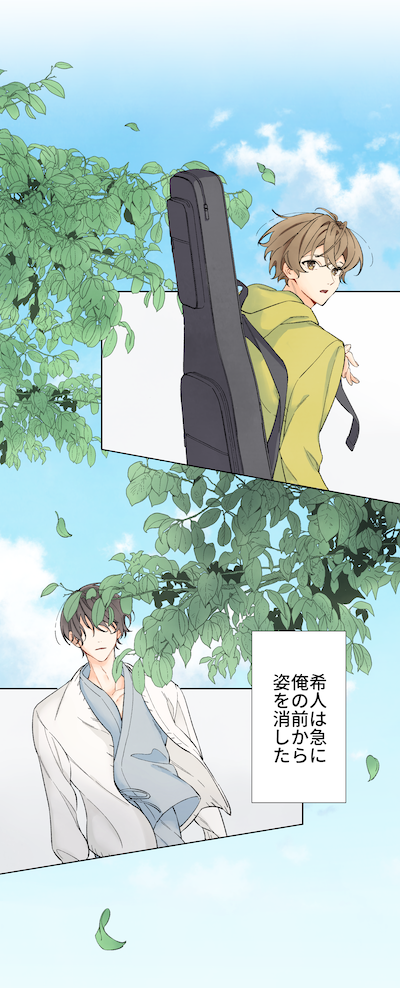
From Nee, Wasurete Ii Yo, Chapter 1

If you’re not enjoying your work, what’s the point?

── Let's go back to the interview. What is the process like for creators who apply to Pikalo before they actually take on a project?

Fujimoto: The process differs slightly between specialized and solo creators. For specialized roles, we ask applicants to submit a portfolio. Based on that, we assess their technical skill and suitability for certain genres. If there's a spot available in a project, we reach out to them. Before formally assigning a project, we typically have them do a trial run—about half the workload of a single episode—to see if their style fits the project.It's not just about our perspective—we also consider whether the creator feels the project is a good fit for them. Once both sides agree, we move forward with a formal assignment.
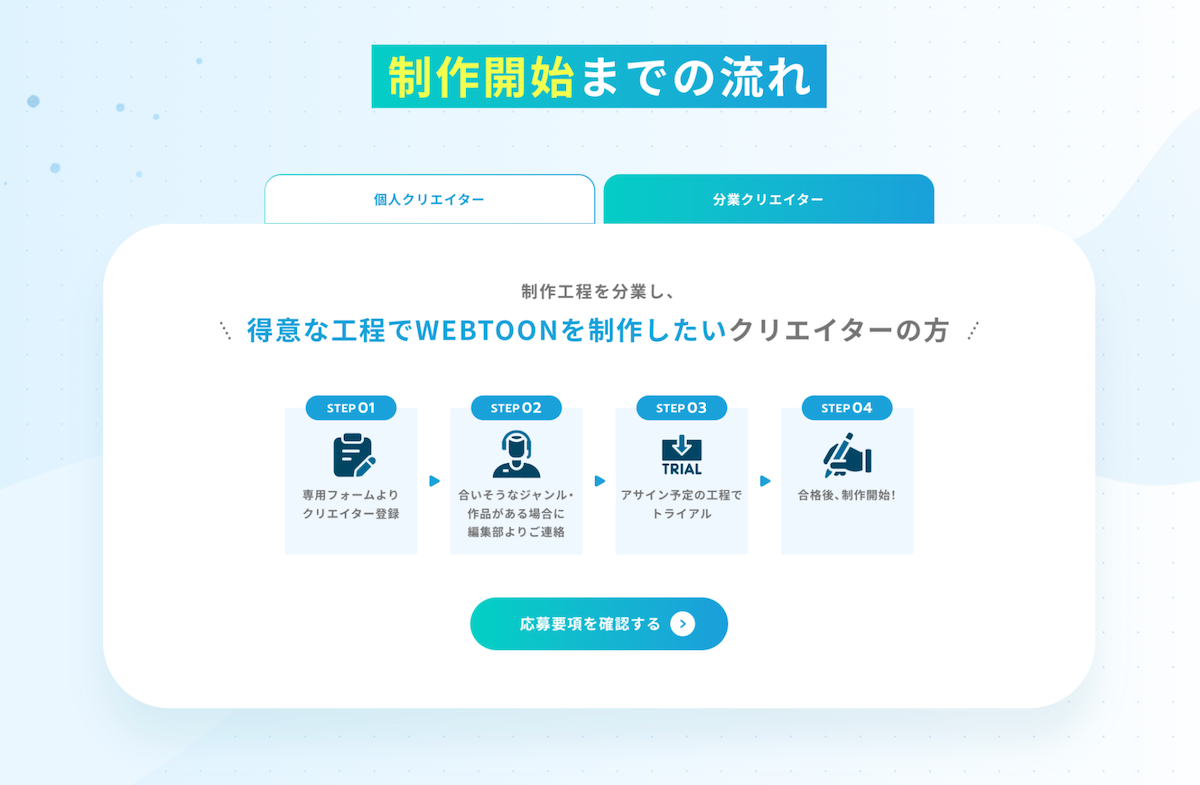

A detailed overview of the process for specialized creators is available on Pikalo's website (Japanese only). You can also check the specific requirements for each role in the application guidelines.

── I see. So creators can express their preferences for the types of projects they want to work on.

Fujimoto: Yes, we try to accommodate that. When we first assign work, we always ask about their favorite genres and styles. However, sometimes a creator's preferences don't align with their strengths. In those cases, we might suggest, "This isn't exactly what you wanted, but based on your skills, we think you'd be a better fit for this other project."Ultimately, it's up to the creator after a thorough discussion to decide whether to take on the project.

── It’s true that sometimes it’s better to focus on something you’re good at, even if it’s not your favorite, rather than struggle with something you love but might not be suited for.

Fujimoto: Exactly. It really depends on what the creator prioritizes.

── What about solo creators?

Fujimoto: For solo creators, a producer usually reaches out to someone they want to collaborate with. Together, they develop a project, which is then presented at an editorial planning meeting.
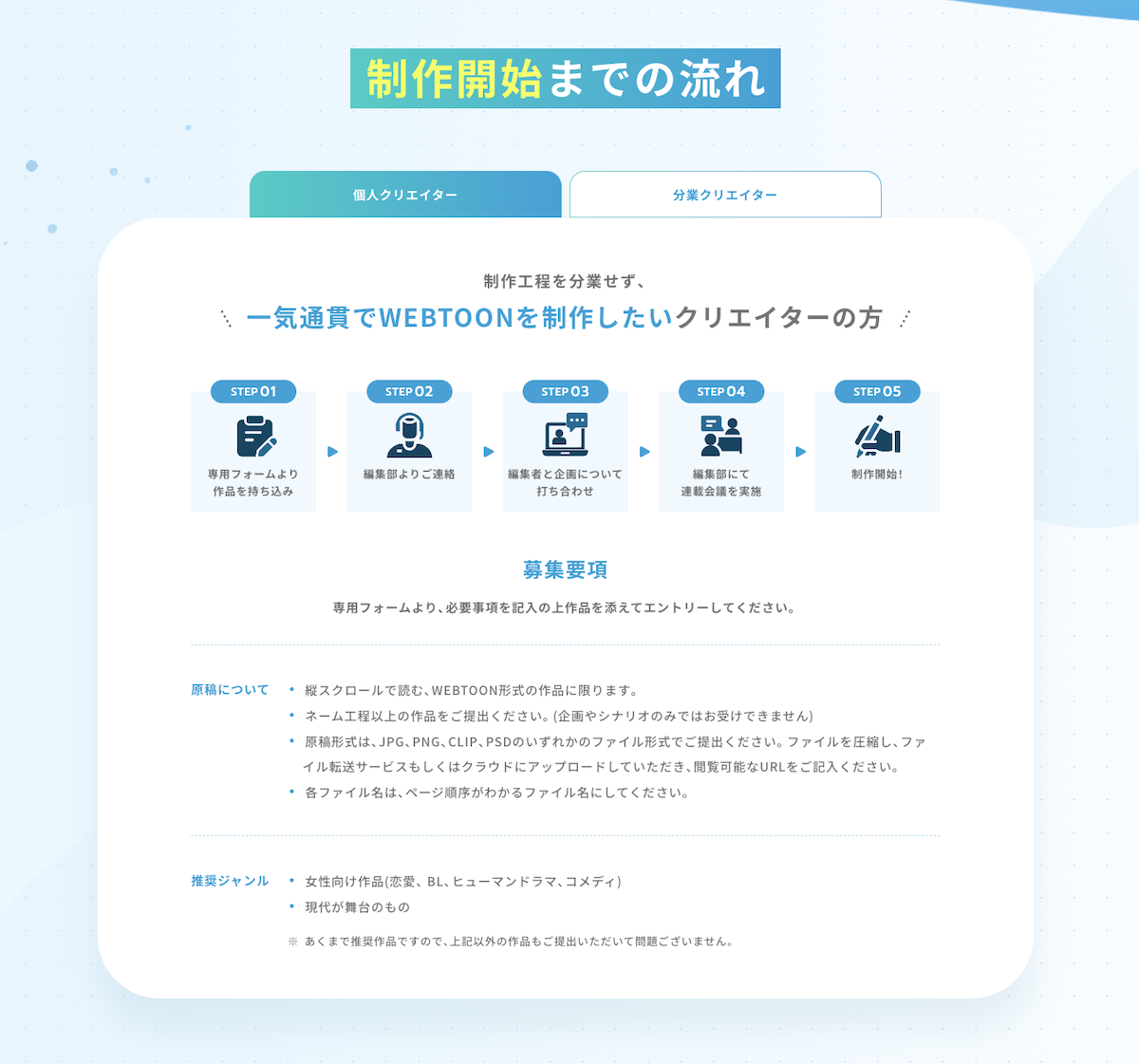
The production process for solo creators.

── It sounds pretty similar to the traditional process of submitting your work to a magazine.

Fujimoto: Yes, it's the same. I think it’s a setup most people are already familiar with.

── With so many webtoon studios popping up these days, aspiring creators have more options than ever. What makes working with Pikalo different?
Asaoka: I'd say the biggest advantage is that we're not just focused on popular genres—we're open to more experimental projects. Of course, there are some adjustments along the way, but we don’t impose strict guidelines like "you must stay within this box in these specific ways."

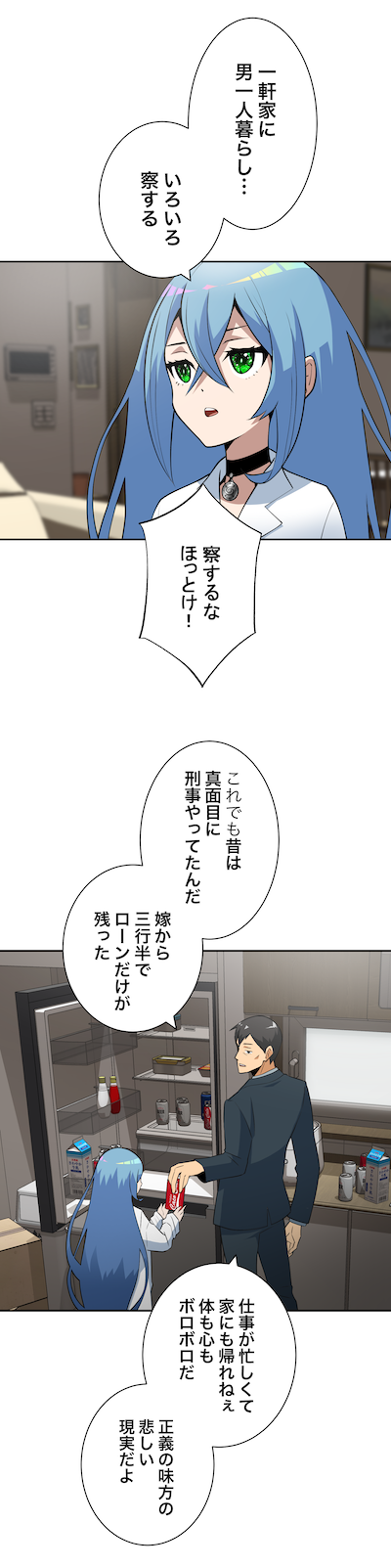
From an upcoming new release: an ambitious story where a weary middle-aged detective teams up with a mysterious young girl.

── That's a big advantage, especially for those who want to work as specialized creators but don’t want to be limited to mainstream genres. I think the idea that team-based production is tied to “commercial” genres is pretty common.

Asaoka: That's right. And as I've said before, if the creator's heart isn't in the work, it won't be something memorable.Sure, sometimes a project can still sell well even if the creator isn't passionate about it (laughs), but at the end of the day, if you’re not enjoying your work, what’s the point?

── It’s true—when you enjoy your work, the creativity really shows.

Asaoka: That’s something we care about a lot. It’s kind of like in the anime industry—if someone who loves robots makes a robot anime, it’s going to be different from one made by someone who’s not that interested. It’s like the saying, "God is in the details." Those final touches make all the difference.

── To attract creators who are passionate about specific genres, a studio needs to have a strong image, right?

Asaoka: Yes. That's why we want to build a clear identity for Pikalo. Once we have a big hit that everyone recognizes, I think the momentum will shift. As editor-in-chief, I’m really excited to see which project will become our first big success.

In a Note post (Japanese only), Asaoka writes about "creating works that leave a lasting memory" and "continuing to step up to the plate, even if things don’t go well in the short term."

── It's like how Mobile Suit Gundam shaped Sunrise's reputation as a company.

Asaoka: Precisely. Gundam became a hit, so now Sunrise is associated with that genre, but if another series had succeeded first, they might have a completely different image today. I'd be happy if Pikalo's breakout hit comes from any genre, whether it's BL, comedy, sports, or something else entirely.

── And ideally, just like people aspire to work at Sunrise, creators would dream of working at Pikalo.

Asaoka: That’s the goal.

The need to create iconic titles

── It would be great if more labels and studios with a stance like Pikalo's emerged in the industry and became the standard.

Asaoka: That would be ideal. Right now, a lot of popular webtoons are romantasy or feature overpowered protagonists, and I often wonder, "Will this sell merchandise if it’s turned into an anime? Will it inspire fan work?" When expanding a work globally, character-based business becomes crucial—it’s all about whether the characters leave a lasting impression on people.

── Right, webtoons don’t yet have a strong image of becoming major IPs.
Asaoka: No one wants to read One Piece in a vertical format, and there's really no need for it to be a webtoon. Balancing "quick entertainment on your smartphone" with IP development is tough. But to expand Japanese webtoons into North America, Europe, and Asia, we need to create iconic titles that come from Japan. We have to produce works in the next five to ten years that can grow into anime, drama, and games. Otherwise, people will just say, "Why not stick with traditional horizontal manga?" Our mission is to create webtoon-exclusive symbolic works and grow the market that way.

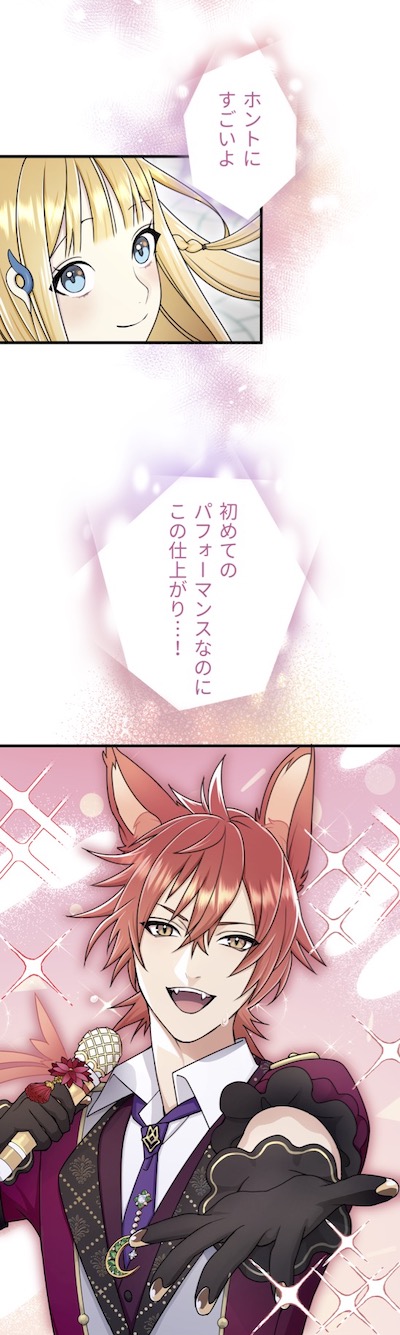
From an upcoming new release: A reincarnated idol otaku becomes a producer and starts an idol unit with a colorful cast of demons.

── So you think it’s possible to create a webtoon that captures the unique qualities of the format while also being strong enough to become an IP?

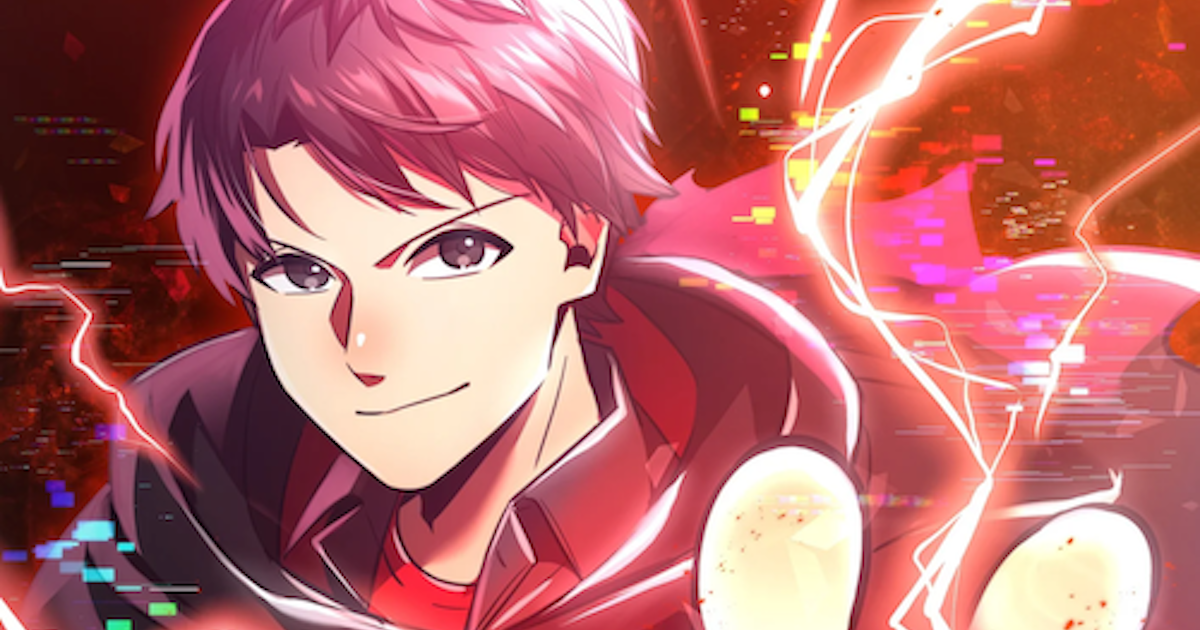
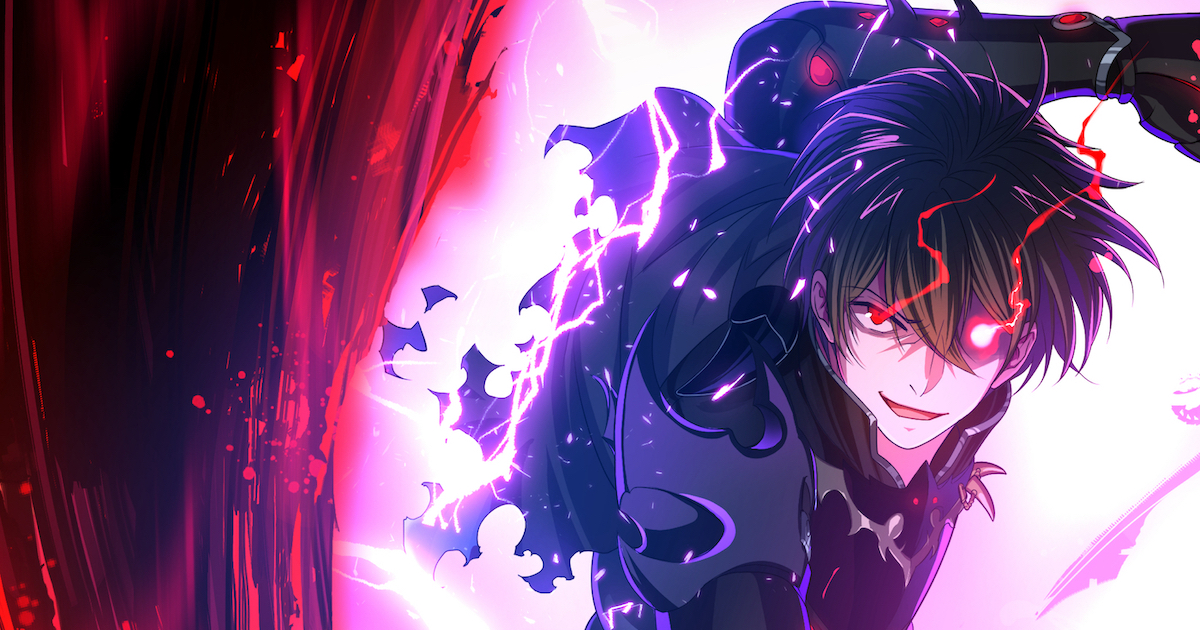
Asaoka: I think there's a way.(laughs) I can't guarantee it or anything, but I do think it’s definitely possible. One of the webtoons that has shown the most potential in this area is Savior of the Divine Blood ~0.00000001% Chance To Be The Strongest~, but there are some others that are in the running to make that happen.

── Are there things traditional manga can do that vertical webtoons can’t?

Asaoka: Definitely. For one, you can't use double-page spreads.

Fujimoto: The amount of detail you can include is also very different. A double-page spread lets you pack in a ton of information, but in webtoons, readers scroll through quickly, so the details are more limited. The framing and panel layouts are also more constrained.

── But that’s more about the presentation, right? Is there anything webtoons can’t achieve in terms of storytelling?
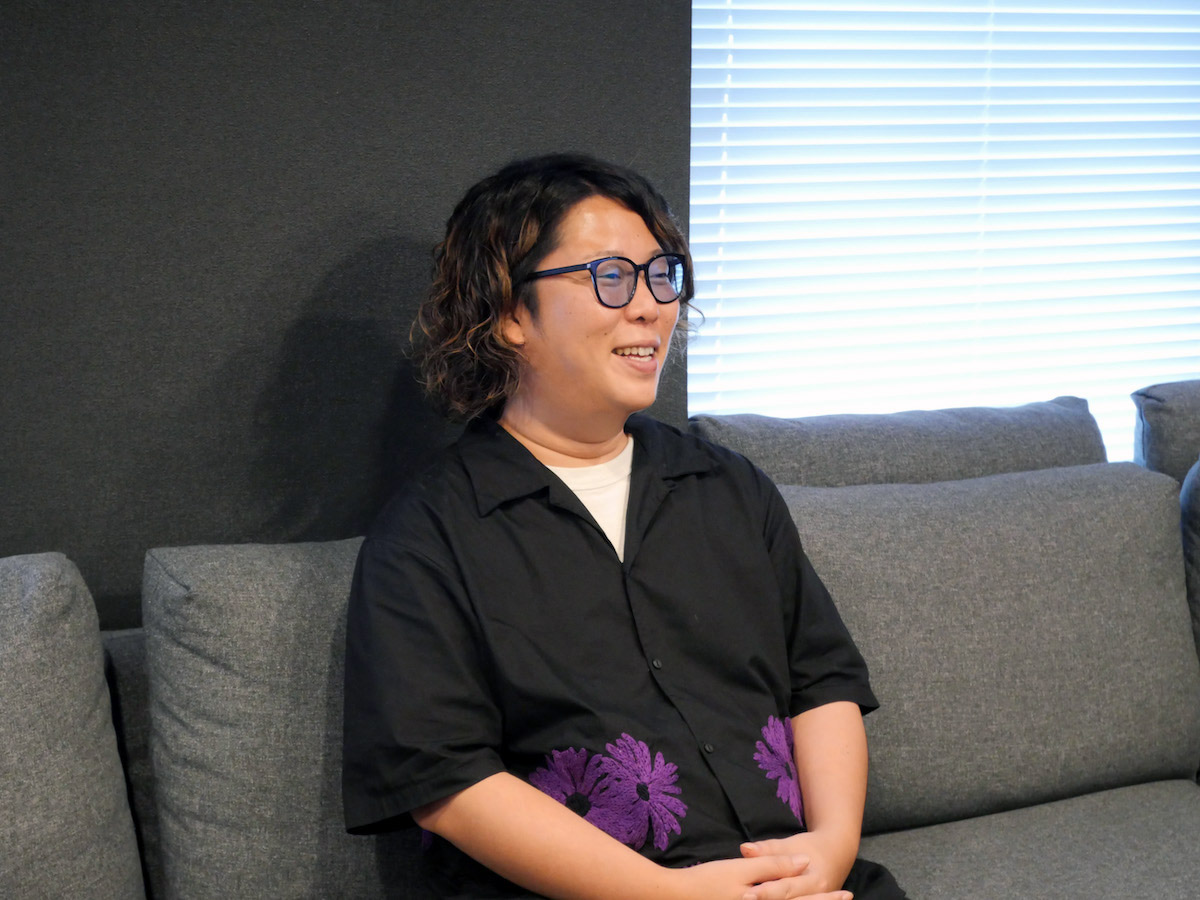
Asaoka: In terms of storytelling, I don't think there's anything that can't be done in a vertical format.

── I thought so. That’s why it would be exciting to see a hit in a genre that everyone thinks can’t work in a vertical format.

Fujimoto: Yes, we'll do our best…!

Asaoka: That would be a great way to help expand the market for webtoons, thereby attracting more creators, which in turn could lead to a cycle of new hits. I hope the industry evolves in that direction, and Pikalo becomes the go-to place for the brightest talents to shine.

Pikalo is recruiting webtoon creators!

The webtoon publishing and production label Pikalo, created by pixiv, KADOKAWA, and LOCKER ROOM, is actively recruiting webtoon creators!


Whether you're a solo creator who wants to build a project from the ground up or a specialist in a particular part of the process, you're welcome to apply.


>>Pikalo's Homepage<<

We're looking for creators who...

・Are excited to explore webtoons as a creative format

・Are exploring whether they prefer to work solo or in a team

・Want to share their work with readers all around the world

・Are curious and just want to learn more about what we do


To learn more, please check out our application guidelines (Japanese only).


>>Application Guidelines<<

On Pikalo's Note, you can read about the thoughts and experiences of the creators involved in our projects.

>>Pikalo's Note<<

pixiv Inc. brings you the latest vertical manga news!
If you're interested in learning more about vertical manga, check out thepixiv Tateyomi School!
We offer a range of free, beginner-to-advanced manga courses, as well as storyboard templates and other resources for anyone looking to create vertical manga. Be sure to check it out!

>>pixiv Tateyomi School<

Newest articles tagged webtoons

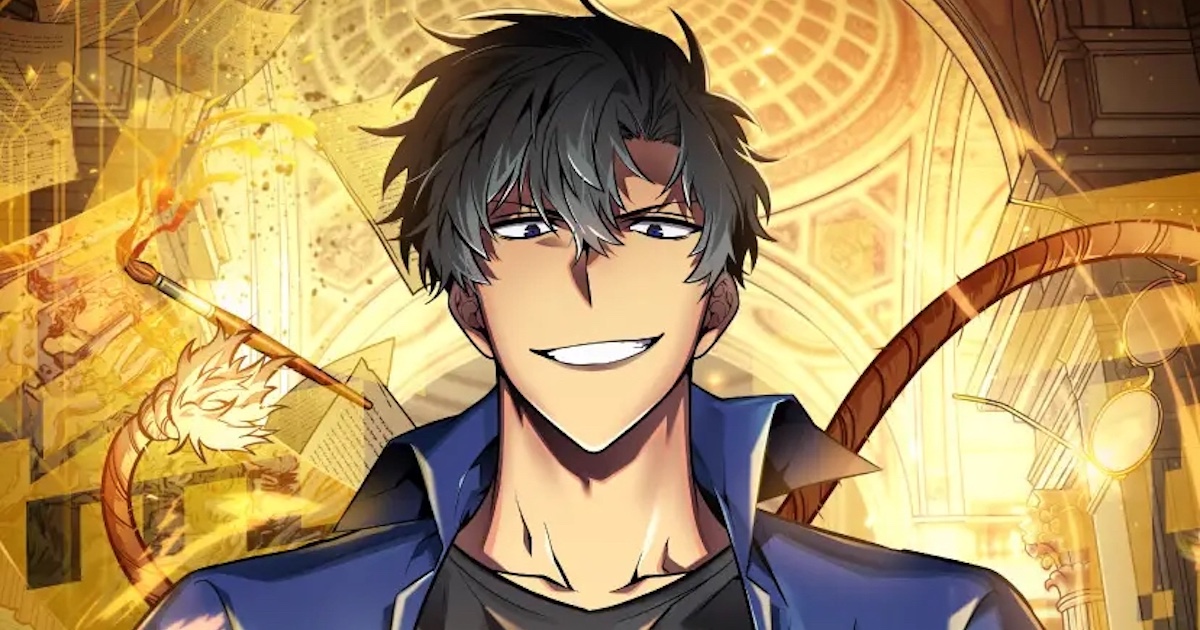
  • “Webtoons are often misunderstood in Japan.” - An interview with the President of Red Seven about letting go of conventional ideas and creating manga that breaks the mold.

    “Webtoons are often misunderstood in Japan.” - An interview with the President of Red Seven about letting go of conventional ideas and creating manga that breaks the mold.

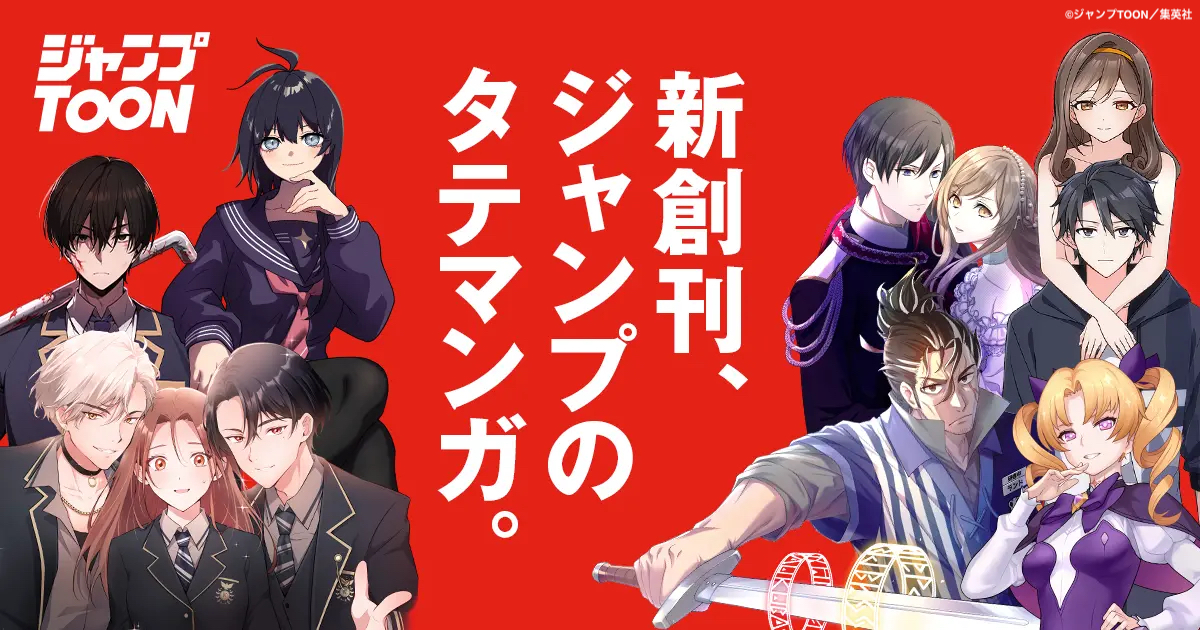
  • Jump TOON's editor-in-chief on Shueisha's webtoon strategy - "Trusting in what creators and editors find 'interesting' over market trends."

    Jump TOON's editor-in-chief on Shueisha's webtoon strategy - "Trusting in what creators and editors find 'interesting' over market trends."

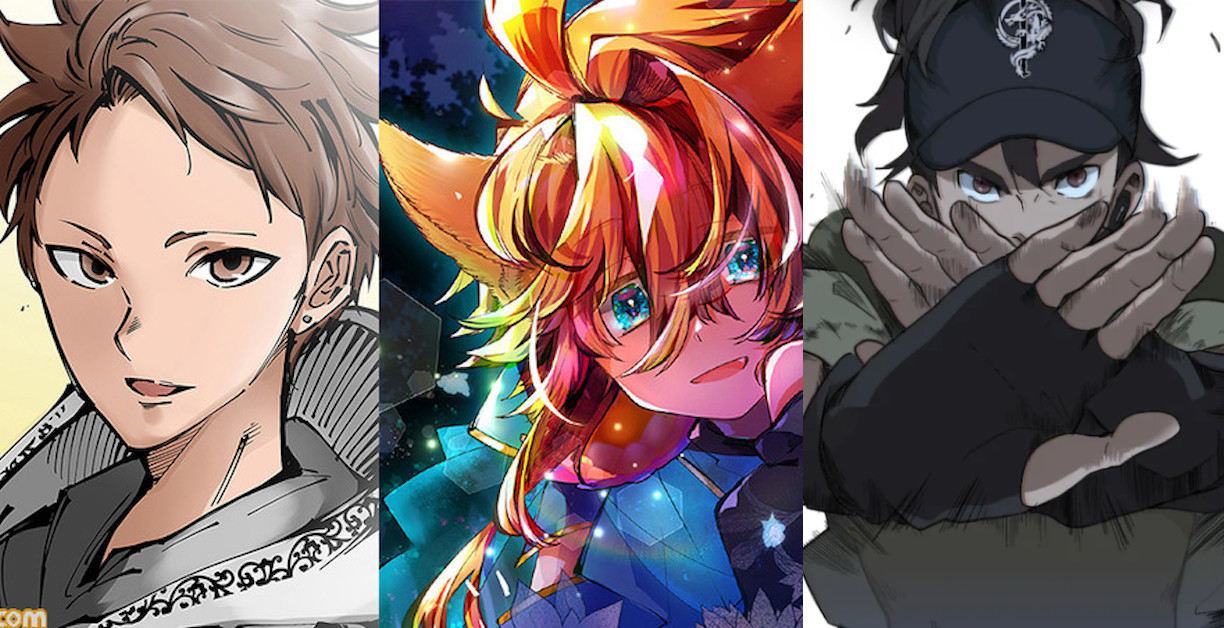
  • An interview with the KADOKAWA TATESC COMICS editor-in-chief about what people expect from webtoons - While webtoons are great for global expansion, it’s still too early to compare them to traditional manga.

    An interview with the KADOKAWA TATESC COMICS editor-in-chief about what people expect from webtoons - While webtoons are great for global expansion, it’s still too early to compare them to traditional manga.

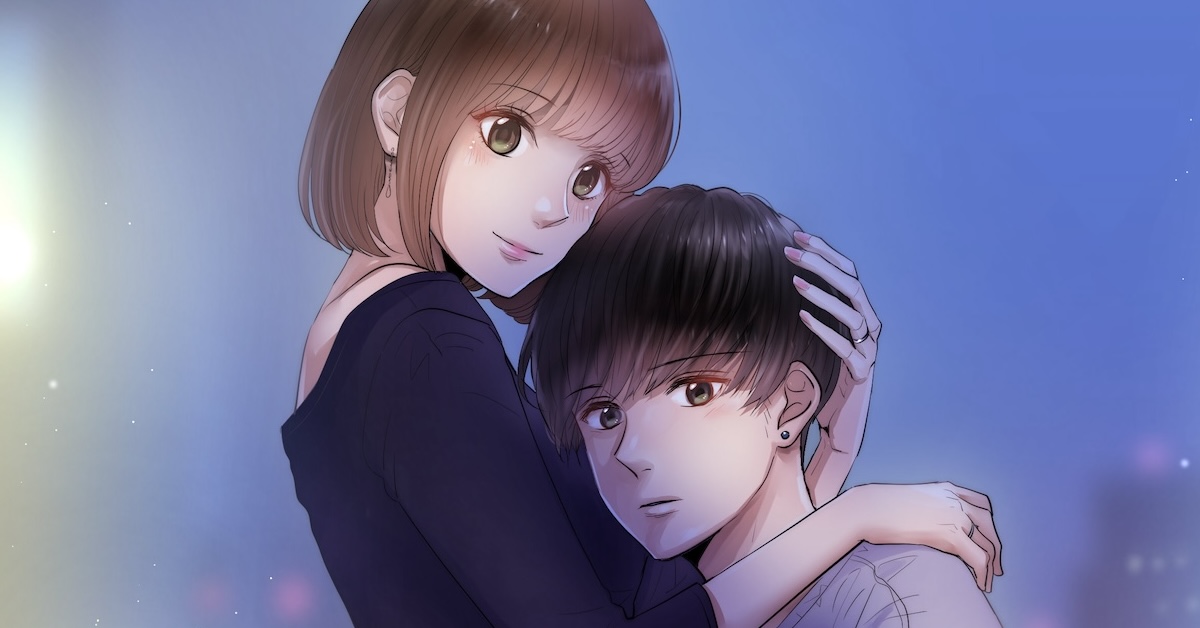
  • Interview with Miyuki Kitamuro, editor of "Melancholy of the Betrayed" - A decade in webtoon editing: what makes the ideal webtoon creator?

    Interview with Miyuki Kitamuro, editor of "Melancholy of the Betrayed" - A decade in webtoon editing: what makes the ideal webtoon creator?

If you liked webtoons, you will also love...

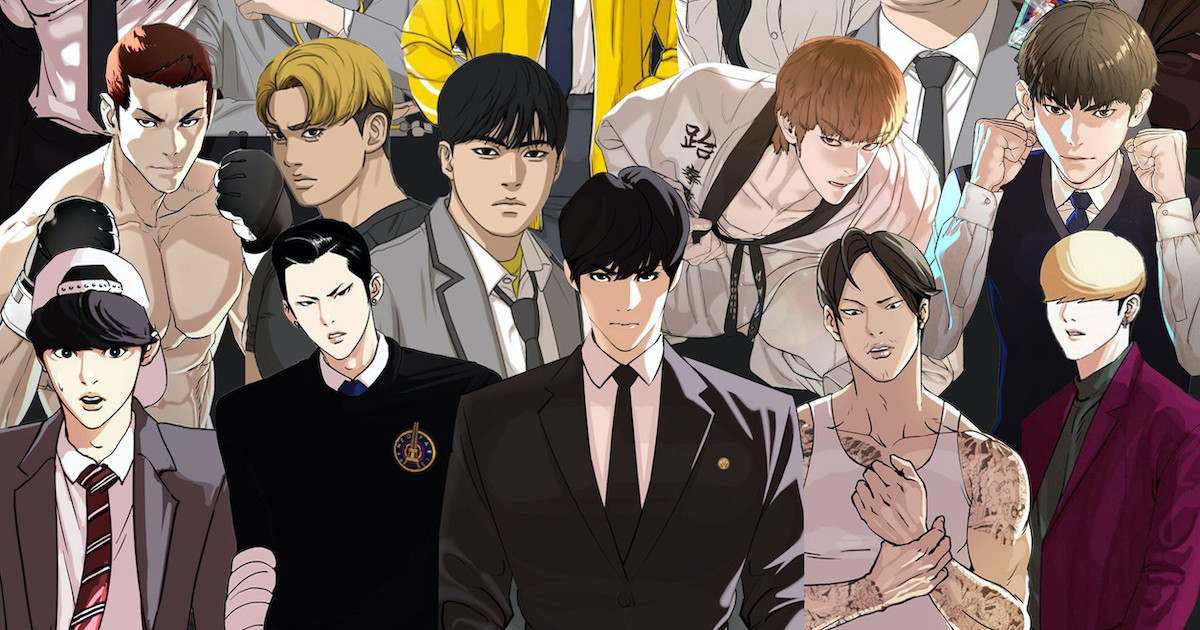
  • "Lookism" and "Viral Hit" creator T.Jun reveals what makes a compelling webtoon - Going worldwide wasn't a conscious choice?!

    "Lookism" and "Viral Hit" creator T.Jun reveals what makes a compelling webtoon - Going worldwide wasn't a conscious choice?!

  • What's the difference between webtoons and traditional manga? It's not just how you draw them! Makuya Yamamoto shares the behind the scenes of production and compensation for both

    What's the difference between webtoons and traditional manga? It's not just how you draw them! Makuya Yamamoto shares the behind the scenes of production and compensation for both

  • What Shunji Eto, creator of Savior of the Divine Blood, considered while trying his hand at Webtoons.  - Thinking that “nothing is better than Japanese manga” will set you up for failure.

    What Shunji Eto, creator of Savior of the Divine Blood, considered while trying his hand at Webtoons. - Thinking that “nothing is better than Japanese manga” will set you up for failure.

  • Interview with popular webtoon storyboard artist and mentor Hashimoto Lion - Looking at scripts through a camera lens.

    Interview with popular webtoon storyboard artist and mentor Hashimoto Lion - Looking at scripts through a camera lens.

Share this article
  • Share
  • Post
  • Share
  • Post

Tags:

  • interview
  • ToonScroll
  • webtoons
  • manga production
  • creator interview
Follow pixivision on Facebook!
Find us on X too!
Follow @pixivision
Stay updated with pixivision's daily features!

Newest articles tagged Interviews

  • Interview with Mimimi, the Grand Prize winner of the pixiv High Schoolers Illustration Contest 2025 - “Illustration is just a part of my life.”

    Interview with Mimimi, the Grand Prize winner of the pixiv High Schoolers Illustration Contest 2025 - “Illustration is just a part of my life.”

  • Behind the scenes with illustrator NAKDI! How does she bring characters to life and why does she like sharing works-in-progress?

    Behind the scenes with illustrator NAKDI! How does she bring characters to life and why does she like sharing works-in-progress?

  • Behind the scenes with illustrator ran9u! How does she design characters and add excitement to her drawings?

    Behind the scenes with illustrator ran9u! How does she design characters and add excitement to her drawings?

  • Behind the scenes with illustrator Myabit! How does she use light and character design to captivate her viewers?

    Behind the scenes with illustrator Myabit! How does she use light and character design to captivate her viewers?

View more▶︎

Follow pixivision's
official accounts!

p-chanMonthly Ranking
  • Illustrations

    Fan Art of Kisaki (Swimsuit) from B...

  • Illustrations

    Drawings of Patterned Bikinis - Pre...

  • Illustrations

    Drawings of Upward Glances - Puppy-...

  • Illustrations

    Drawings of Falling and Floating - ...

  • Illustrations

    Drawings of Flared and Frilled Biki...

p-chanFeatured
  • Illustrations

    Drawings of Fishnet Tights - Net Wo...

  • Manga

    [English] Bringing pixiv works to t...

  • Illustrations

    Drawings Featuring Goggles - Safety...

  • Illustrations

    Fan Art of Burnice White from Zenle...

  • Illustrations

    Fan Art of Canari from Pokémon Lege...

Follow pixivision's
official accounts!

  • Top
  • About pixivision
  • Suggest a theme
  • English
  • 简体中文
  • 繁體中文
  • 한국어
  • ภาษาไทย
  • Bahasa Melayu
  • 日本語
  • pixivision
  • About pixiv Inc.
  • Terms of Use
  • Contact Us
  • Advertising
  • Privacy Policy
©pixiv